2026 Best IoT Street Light Controller System for Smart City Development?
As cities evolve into smart environments, efficient lighting becomes crucial. The IoT Street Light Controller System is essential for this transformation. By integrating technology, these systems enhance urban safety and energy efficiency. They allow municipalities to monitor and control street lights remotely, making city management smarter and more responsive.
This innovative system offers real-time data. It can adjust lighting based on environmental conditions or pedestrian traffic. However, there are challenges. Some cities struggle with integration and cost. Security concerns also arise. Ensuring data safety remains a priority.
Exploring the best IoT Street Light Controller Systems for 2026 can provide valuable insights. Effective solutions require collaboration between tech firms and cities. Continuous improvement is essential for truly smart cities. The goal is not just innovation but also sustainability and resilience in urban development.
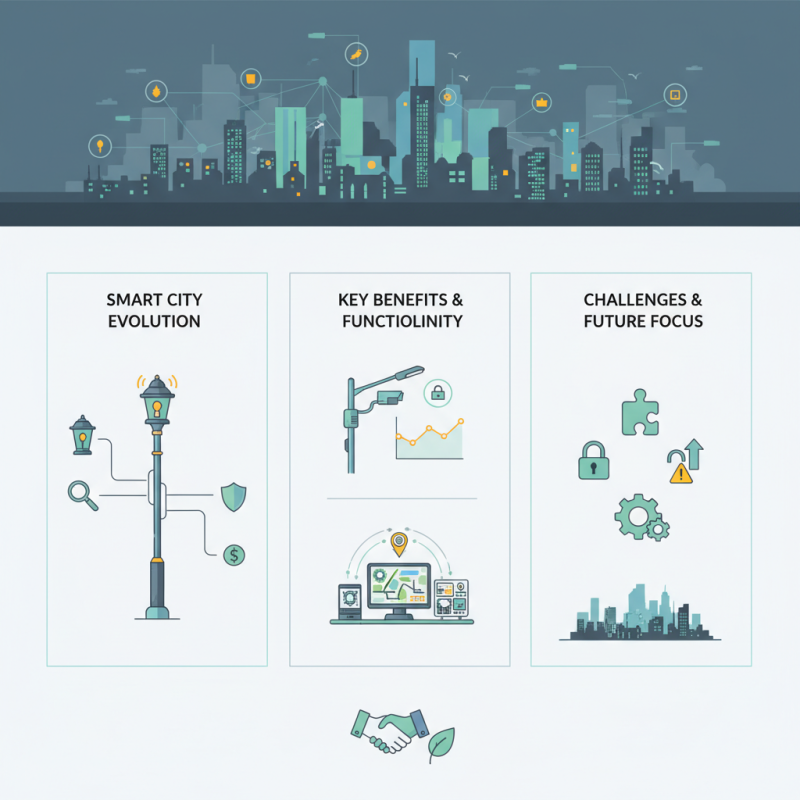
Overview of IoT Street Light Controller Systems in Smart Cities
The integration of IoT street light controllers is a critical aspect of smart city development. These systems optimize energy use significantly. According to a recent report, smart lighting can reduce energy consumption by up to 30%. This reduction is not just financial; it also leads to decreased carbon emissions. Many cities face challenges in adopting such technologies. Higher initial costs are common, making city planners hesitant.
Additionally, the connectivity issues can create problems. Data transmission failures may lead to inefficient lighting control. For many municipalities, managing such systems requires advanced technical knowledge. Overcoming these hurdles is essential. Approximately 22% of cities are still in the pilot phase of IoT street light projects. This suggests room for growth and improvement. Monitoring real-time data can provide insights into traffic patterns and environmental conditions.
The versatility of IoT street lights extends beyond illumination. They can support smart city infrastructures by accommodating cameras and sensors. This multifaceted approach could enhance public safety and urban management. However, cities must address privacy concerns with such data collection methods. Balancing surveillance with personal privacy remains a pressing challenge. Addressing these aspects is vital for successful implementation.
Key Features of 2026 IoT Street Light Controllers for Urban Efficiency
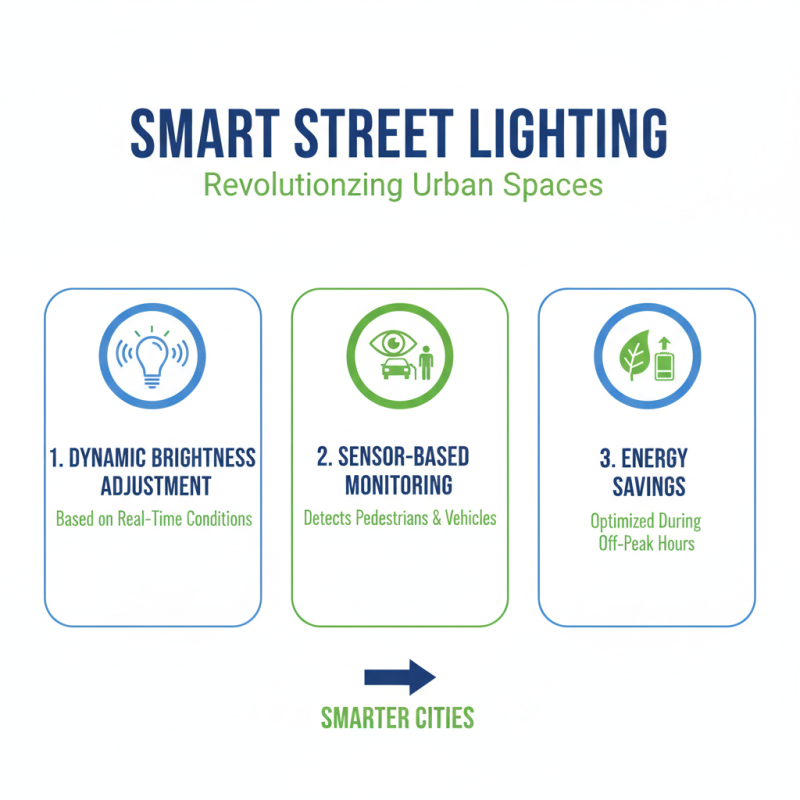
The 2026 IoT street light controller systems are designed with urban efficiency in mind. These controllers use advanced sensors to detect the presence of vehicles and pedestrians. This information allows for adaptive lighting, which means lights can brighten or dim based on real-time activities. It's a step towards smarter cities, aiming to save energy and reduce costs.
These systems can also be integrated with city infrastructure. Remote monitoring features allow city planners to manage street lights efficiently. However, the challenge lies in the integration process. Many cities struggle with outdated infrastructure that may not support new technology. Moreover, the initial investment can be significant, raising concerns among city officials about budgets.
Another important feature is data analytics. The collection and analysis of lighting usage data can lead to better decision-making. Yet, privacy issues arise, as residents may be uncomfortable with extensive data collection. Cities must balance innovation with community trust. Overall, while these systems promise enhanced efficiency, the road to implementation requires careful consideration and planning.
Comparison of Leading IoT Street Light Technologies and Vendors
As cities evolve, smart lighting plays a crucial role. IoT street light controllers can drastically improve energy efficiency. Many options are available. Some systems allow real-time monitoring, while others focus on automated dimming.
Tips: Look for systems that adapt to traffic patterns. Adaptive lighting can save more energy. Also, ensure data security is robust. Data breaches can compromise city infrastructure.
Not all systems are equal. Some may lack scalability, limiting future growth. Others might not integrate well with existing city technologies. Testing smaller deployments can be a wise approach. Monitor performance before a full rollout.
Tips: Engage with local vendors. They often provide insights into common challenges. Learning from their experience can guide decisions. Keep an open dialogue with users, as feedback is vital. It can lead to improvements in functionality.
Future Trends in IoT Street Light Controllers for Smart City Integration
The integration of IoT street light controllers marks a significant shift toward smart city design. These systems enhance energy efficiency and improve public safety. Smart street lights can adjust brightness based on real-time data, which saves power. They can also detect pedestrian movements, creating safer environments.
Future trends indicate a move towards more interconnected systems. As cities scale in size, a centralized platform will be crucial. This platform could manage various street lights simultaneously. Data analytics can provide valuable insights on traffic patterns and energy consumption. However, privacy concerns remain. How do we ensure data security while improving city infrastructure?
Incorporating renewable energy sources is also a key focus. Solar-powered sensors can reduce dependency on the grid. Yet, this brings challenges in maintenance and reliability. Some systems might fail during extreme weather, leading to dark streets and safety risks. Continuous monitoring is needed, but who will oversee this? The challenge lies in ensuring every street light is both smart and resilient.
2026 Best IoT Street Light Controller System for Smart City Development
| Feature |
Description |
Benefits |
Future Trends |
| Connectivity |
Utilizes advanced communication protocols such as LoRa, Zigbee, and 5G. |
Ensures seamless data exchange and real-time monitoring. |
Increased integration with smart city infrastructure. |
| Energy Efficiency |
Smart dimming capabilities based on real-time traffic and weather conditions. |
Reduces energy consumption and operational costs. |
Focus on renewable energy sources and sustainability. |
| Control and Management |
Centralized control system with mobile app accessibility. |
Enhances operational efficiency and user engagement. |
Integration with AI for predictive maintenance. |
| Safety Features |
Equipped with environmental sensors for air quality and emergency response. |
Improves urban safety and public health monitoring. |
Adoption of smart surveillance technologies. |
| Data Analytics |
Utilizes big data analytics for performance optimization. |
Informed decision-making and enhanced service delivery. |
Future integration with smart grid and traffic management systems. |