What Are the 2026 Best Smart City Lighting Solutions?
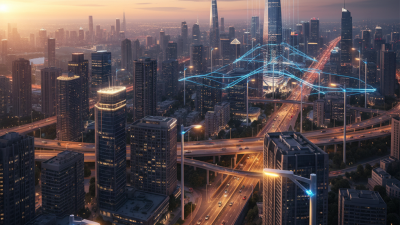
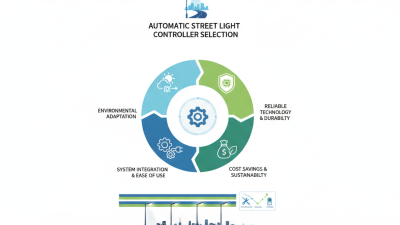
Choosing the 2026 best Smart City Lighting Solutions requires more than comparing brightness, price, or attractive dashboards. Cities now evaluate lighting as public infrastructure, connecting safety, energy management, accessibility, and environmental responsibility.
The strongest systems combine high-efficiency LEDs, adaptive dimming, occupancy sensors, and remote monitoring. A quiet street should not receive the same light as a busy transit station. That simple distinction can reduce wasted energy while preserving visibility. However, sensor performance may change during rain, fog, construction, or heavy pedestrian movement. Real streets are rarely predictable.
Reliable solutions also support open communication protocols, accurate asset data, and secure software updates. Municipal engineers need clear maintenance records, not vague promises. They should review outage response times, component lifespans, cybersecurity controls, and privacy safeguards before approving a large deployment. Independent testing and documented performance matter.
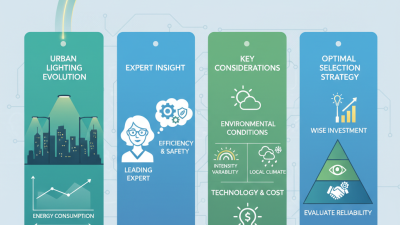
Local experience matters too. A coastal city may prioritize corrosion resistance, while a northern city needs equipment that survives freezing temperatures. Residents may also object to excessive brightness or intrusive monitoring. Their feedback can expose weaknesses that technical specifications miss.
The best option is not always the newest platform. It is the system that performs consistently, remains repairable, and fits a city’s long-term operating capacity. Some projects may still underestimate maintenance costs. That deserves honest scrutiny.
This guide examines the leading 2026 approaches, comparing practical features, measurable benefits, limitations, and suitability for different urban environments. Smart lighting should serve people first. That standard remains difficult, but essential.
What Defines a Smart City Lighting Solution in 2026
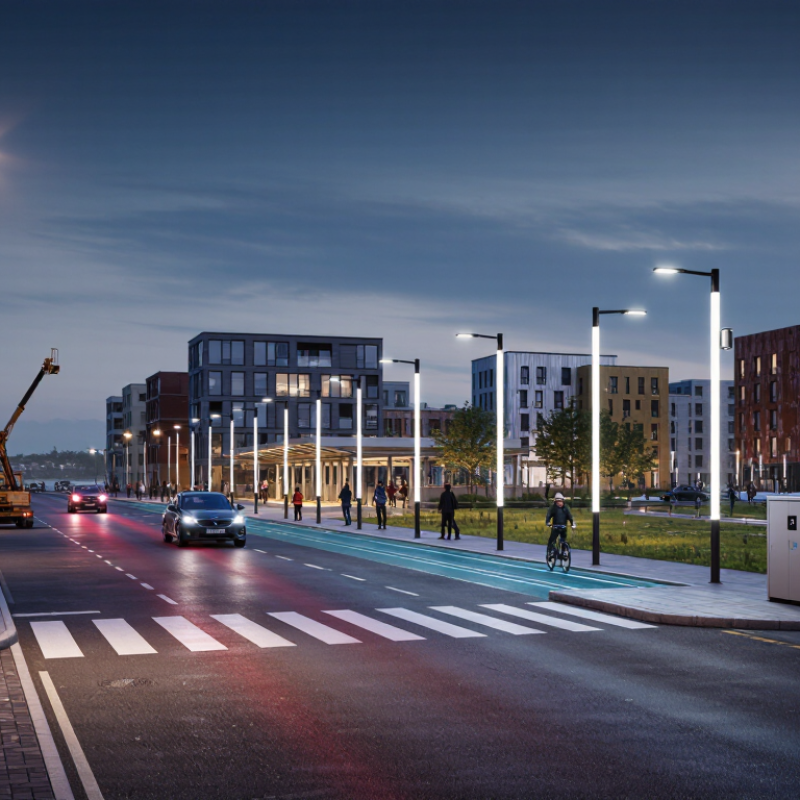
In 2026, a smart city lighting solution is more than an LED fixture with remote control. It combines efficient luminaires, networked controls, sensors, and software that respond to real street conditions. A dark walkway can trigger brighter output when movement is detected. Empty roads can receive lower, safer illumination. The goal is not maximum brightness. It is useful light, delivered at the right place and time.
Strong systems collect only necessary data and protect it through encryption, access controls, and clear retention rules. They should support open communication protocols, so cities can replace components without rebuilding every pole. This matters during maintenance. Technicians need fault alerts, energy reports, and manual override options from one reliable interface. Public agencies also need measurable evidence, including energy use, outage duration, glare complaints, and nighttime safety observations. Field experience shows that small calibration errors can leave a crossing dim or create harsh light in nearby windows.
Good design includes pedestrians, cyclists, older residents, and people with limited vision. Color quality, uniformity, mounting height, and glare control affect how safe a street feels. Automation must remain accountable. A sensor can miss a slow-moving person. A software update can create unexpected behavior. Regular inspections, independent testing, and documented fallback settings reduce those risks. No solution is perfect. Cities should review results with residents and adjust the system as conditions change.
Core Technologies Behind Modern Urban Lighting Systems
What Are the 2026 Best Smart City Lighting Solutions?
Core Technologies Behind Modern Urban Lighting Systems
Modern urban lighting begins with high-efficiency LED fixtures, but hardware alone is not enough. Smart controllers adjust brightness according to movement, traffic, weather, and local schedules. A quiet street can use softer light at midnight. A busy crossing can brighten within seconds.
Networked sensors provide the system’s awareness. Radar detects vehicles and cyclists more reliably than motion sensors in heavy rain. Cameras may support traffic analysis, but privacy protection must remain central. Edge computing can process routine data near the lamp, reducing delays and unnecessary data transfers. Cloud platforms then support citywide reporting, energy analysis, and maintenance planning.
Reliable systems need open communication protocols and clear equipment standards. Interoperability prevents a city from becoming dependent on one supplier. Remote monitoring can identify voltage changes, overheating, or failed drivers before residents report darkness. That saves repair time.
But automation is not flawless. A sensor may miss a slow pedestrian or react to tree movement. Field testing should cover fog, winter clothing, parked vehicles, and unusual nighttime activity. Human review still matters. Lighting plans must also protect pedestrians from glare, preserve darker ecological areas, and support people with limited vision. Secure authentication, encrypted connections, software updates, and detailed access logs reduce operational risks. These safeguards may seem less visible than bright lamps, yet they determine whether a smart lighting network remains dependable after years of daily use.
Key Applications Across Streets, Public Spaces, and Transportation
Smart city lighting in 2026 is becoming more responsive, measurable, and carefully controlled. On streets, connected LED fixtures can adjust brightness when pedestrians, cyclists, or vehicles approach. Sensors can also detect fog, rain, and unusual darkness. This supports safer movement while reducing unnecessary energy use. Practical projects should include remote fault alerts, clear maintenance schedules, and compatibility with different control systems. A bright road is not always a better road. Excessive glare can hide cyclists and disturb nearby homes.
Public spaces need a softer approach. In parks, plazas, and waterfront paths, lighting can follow occupancy levels and scheduled activities. Warm, low-glare illumination may make seating areas feel safer without turning the whole space into a brightly lit zone. Accessible routes should remain evenly lit, especially near ramps, crossings, and public toilets. Event settings may require temporary changes. Keep it simple. Emergency overrides must still work when networks fail.
Transportation areas require precise coordination. Bus stops can brighten when passengers arrive, while station entrances can improve visibility during early morning service. Crossings may use stronger illumination near waiting lines and curb edges. Transit operators can connect lighting data with maintenance platforms, but privacy rules need careful attention when sensors are involved. A pilot can perform well in summer and disappoint in winter. Cities should test seasonal conditions, ask residents for feedback, and revise settings instead of treating the first design as final.
How Smart Lighting Improves Energy Efficiency and Public Safety
What Are the 2026 Best Smart City Lighting Solutions?
Smart city lighting now combines efficient LED fixtures, motion sensors, and adaptive network controls. These systems dim empty streets and brighten crossings when movement appears. The International Energy Agency reports that lighting uses about 15% of global electricity. Better control therefore matters, not just better lamps. The U.S. Department of Energy estimates that solid-state lighting could reduce lighting energy use by 75% by 2035, compared with 2015 levels. That forecast depends on proper installation and operation.
Public safety gains can be practical and measurable. Adaptive lighting can improve visibility near bus stops, intersections, and school entrances. A Campbell Collaboration review found that improved street lighting was linked to a 21% reduction in reported crime. The evidence is encouraging, but it is not universal. Brighter streets alone cannot replace patrols, safe street design, or community services. People notice uneven lighting quickly. Glare can also hide faces and road hazards.
Good 2026 solutions should use pedestrian detection, traffic data, remote fault alerts, and privacy-conscious monitoring. Operators can schedule lower brightness after midnight, then restore full output during unusual activity. This reduces wasted energy while preserving useful visibility. The weak point is maintenance. A disconnected sensor can quietly cancel expected savings. Cities should measure electricity use, outage response, glare complaints, and nighttime incidents before and after deployment. Real results may be less impressive than vendor projections. That is exactly why transparent audits matter.
2026 Best Smart City Lighting Solutions: Energy Efficiency and Public Safety
Smart LED street lighting can reduce electricity consumption by approximately 50–70% compared with conventional high-intensity discharge lighting. Adaptive dimming can provide an additional 20–30% reduction during low-traffic periods while preserving brighter illumination when pedestrians, cyclists, or vehicles are detected. Networked monitoring also supports faster outage detection, improving public safety and maintenance efficiency.