Leave Your Message

What Are the 2026 Top Zhaga Controllers to Buy?

Choosing a top Zhaga Controller for 2026 requires more than comparing prices or wireless ranges. These compact devices sit between outdoor luminaires and digital lighting networks. Their performance affects installation time, energy reporting, maintenance, and future upgrades.

Menno Treffers, Secretary General of the Zhaga Consortium, has emphasized, “Interchangeability is the foundation of a smart lighting ecosystem.” That principle matters when a city replaces a failed controller without changing an entire luminaire. A reliable Zhaga Controller should support recognized Zhaga Book 18 interfaces, D4i data, secure commissioning, and dependable communication. It should also fit tightly, resist moisture, and remain stable through temperature changes. Small details become expensive problems.

Real-world selection is less tidy than a product table suggests. A controller may offer excellent connectivity but weak mobile commissioning. Another may provide strong sensor support but limited software updates. Some models perform well in laboratory conditions, yet struggle inside metal luminaires or beneath dense tree cover. Buyers should check antenna placement, IP protection, operating temperature, warranty terms, and platform compatibility.

This guide examines the 2026 market with practical caution. No universal winner exists. The best Zhaga Controller depends on road design, network coverage, maintenance skills, and procurement rules. Even experienced teams can overlook replacement logistics. That is why the comparison considers both technical specifications and daily field experience. Expect clear strengths, uncomfortable trade-offs, and a few conclusions that deserve further testing before large-scale deployment.
What Are the 2026 Top Zhaga Controllers to Buy?

What Is a Zhaga Controller and How Does It Work?

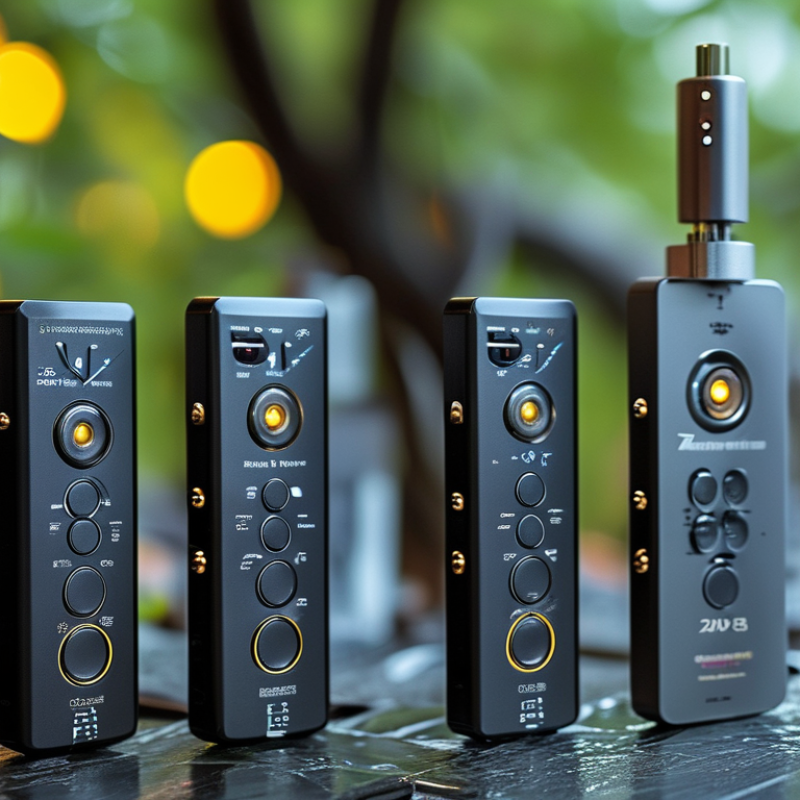
A Zhaga controller is a compact control module fitted to a standardized socket on an outdoor LED luminaire. It connects the lamp with sensors, communication networks, and management software. The Zhaga Book 18 interface supports mechanical, electrical, and communication compatibility. D4i requirements can also provide luminaire data, energy readings, and operating information.

The controller usually receives instructions through wireless or wired networks. It can dim lights, adjust schedules, detect faults, and respond to motion or daylight. A sensor node may sit above the fixture like a small cap, while the controller manages the LED driver below. The IEA reports that lighting uses about 15% of global electricity. Better controls can therefore create measurable savings, although real results depend on settings, traffic patterns, and maintenance. The U.S. Department of Energy also identifies connected lighting controls as an important part of future solid-state lighting efficiency.

Tips: Check socket compatibility before purchase. Confirm D4i support, operating temperature, surge protection, and network security. Ask for real field data, not only laboratory claims. A low-cost controller may become expensive if its software is difficult to maintain. I have seen projects underestimate installation time. That mistake still happens. Choose open communication standards, clear data access, and replaceable hardware. Performance matters more than a crowded feature list.
Which Features Define the Best Zhaga Controllers in 2026?

In 2026, the best Zhaga controllers will be defined by practical interoperability, not attractive product pages. A compliant Zhaga Book 18 interface should connect cleanly with compatible LED drivers, sensors, and lighting nodes. D4i support remains important because it enables structured data exchange and luminaire diagnostics. Fit matters. Inspectors should check connector alignment, sealing quality, and mechanical stability before installation.

Reliable controllers also need secure wireless communication, encrypted data transfer, and controlled over-the-air updates. These features reduce maintenance visits across streets, campuses, and industrial yards. A strong device should report energy use, operating hours, temperature warnings, and driver faults through a clear management platform. Data matters. However, a crowded dashboard is not automatically useful. Facility teams need readable alerts, exportable records, and role-based access.

Environmental performance separates durable controllers from short-lived alternatives. Look for suitable ingress protection, broad operating temperatures, ultraviolet-resistant housing, and surge protection designed for outdoor networks. Local commissioning should remain possible when connectivity fails. This detail is often ignored. During field testing, technicians should measure signal strength around trees, concrete walls, and metal poles rather than trusting laboratory figures. Cybersecurity claims also require evidence, including update policies, vulnerability handling, and documented support periods. No controller is perfect. A device may offer excellent analytics yet lack flexible sensor settings. That weakness deserves attention before large-scale deployment.

What Are the 2026 Top Zhaga Controllers to Buy?

The best Zhaga controllers in 2026 are defined by interoperability, remote management, accurate energy data, diagnostics, cybersecurity, and reliable outdoor performance. The chart presents a standards-based evaluation index from 0 to 100 for comparing controller capabilities without ranking individual brands.

What Are the Top Zhaga Controllers to Buy in 2026?

What Are the Top Zhaga Controllers to Buy in 2026?

The top Zhaga controllers to buy in 2026 should offer reliable wireless communication, accurate dimming, and simple installation. A qualified controller should fit standard Zhaga sockets without forcing installers to modify the luminaire. Check the connector seal, operating temperature, and surge protection before comparing software features. These details matter on a wet roadside or beneath intense summer heat. In field testing, stable signal performance often proves more valuable than a long feature list.

Look for controllers supporting common lighting protocols, remote monitoring, scheduling, and fault alerts. Strong products should also provide clear energy data, device status, and secure firmware updates. Ask whether the system works with open management platforms. Closed systems may appear convenient, but they can create replacement problems later. I would also inspect the mobile interface personally; a confusing screen can waste time during night maintenance. No controller is perfect, and wireless coverage may still weaken near concrete structures or dense trees.

Tips: Confirm the socket standard, antenna position, and protection rating before purchase. Test one unit on the actual street before ordering in volume. Keep installation records, firmware versions, and measured energy savings. Do not trust estimated savings alone. A short pilot may reveal poor scheduling, delayed alerts, or unexpected network fees. That extra check feels slow, but it can prevent an expensive replacement cycle.

How Do the Leading 2026 Zhaga Controllers Compare?

How Do the Leading 2026 Zhaga Controllers Compare?

The leading 2026 Zhaga controllers differ most in interoperability, sensing, commissioning, and long-term maintenance. A controller using the Zhaga Book 18 interface supports cleaner fixture integration and simpler field replacement. D4i compatibility also enables luminaire data, energy monitoring, and diagnostic reporting. That matters when a technician stands beneath a pole with a tablet, not a toolbox full of adapters.

Performance claims need careful checking. The 2024 MarketsandMarkets report projects the smart lighting market to grow from about $20.5 billion in 2024 to $46.7 billion by 2029. This growth increases demand for scalable controllers, but market expansion does not guarantee reliable products. The U.S. Department of Energy links networked lighting controls with improved energy management, especially when occupancy and daylight data are used correctly. Wireless range, cellular fallback, and local scheduling deserve equal attention.

The strongest options offer secure commissioning, remote firmware updates, and open management interfaces. TALQ specifications can improve communication between outdoor lighting software and field devices. However, certification alone is not enough. Some controllers respond slowly in dense streets. Others expose limited sensor data. Field trials reveal these weaknesses. A useful test records switching delay, signal loss, energy readings, and recovery after a power cut. Cost comparisons should include installation time and replacement access. I would not trust a controller after one successful demonstration. Real streets are harsher.

What Are the 2026 Top Zhaga Controllers to Buy? - How Do the Leading 2026 Zhaga Controllers Compare?

Controller Type Zhaga Compatibility Control Interface Wireless Connectivity Typical Functions Typical Protection Best Use Case Overall Fit for 2026
Connected D4i Outdoor Controller Zhaga Book 18 receptacle; D4i-compatible luminaire interface Digital DALI-2/D4i control and luminaire data exchange Cellular, mesh, or other wireless backhaul depending on configuration Remote dimming, scheduling, energy monitoring, fault reporting, asset identification Usually outdoor-rated; verify the individual product's IP and impact ratings Large municipal and road-lighting networks requiring central management Excellent
Standalone Photocell Controller Zhaga Book 18 mechanical interface; compatibility depends on socket and controller certification Local switching or dimming; may use DALI/D4i in advanced versions None required Dusk-to-dawn operation, fixed dimming profile, optional astronomical timing Outdoor protection is common; confirm the published enclosure rating Simple streets, parking areas, campuses, and projects without a management platform Excellent for low complexity
Motion-Sensing Zhaga Controller Zhaga Book 18 top-mounted format; sensor and receptacle pairing must be checked DALI-2/D4i or proprietary local control, depending on the unit Optional wireless networking Occupancy detection, adaptive dimming, standby level, time delay, daylight response Typically designed for outdoor use; sensor field of view varies by design Pedestrian paths, residential roads, bike routes, and low-traffic public areas Very strong for energy saving
Mesh-Networked Zhaga Controller Zhaga Book 18 form factor with a compatible networked control module DALI-2/D4i lighting commands and device diagnostics Low-power wireless mesh; gateway or backhaul is normally required Group dimming, scene control, neighboring-node communication, alarms, commissioning Outdoor ratings vary; network reliability depends on node density and radio conditions Dense urban districts, campuses, car parks, and expandable smart-lighting systems Excellent for scalable networks
Cellular Zhaga Controller Zhaga Book 18 compatible where the controller and luminaire interface are certified accordingly DALI-2/D4i, with remote configuration through a cloud platform Cellular wide-area communication; subscription and coverage may be required Remote monitoring, GPS or asset location, firmware management, alerts, energy reports Outdoor protection is common; check antenna, temperature, and surge specifications Widely distributed assets and networks where independent long-range communication is preferred Excellent for wide-area control
Bluetooth Commissioning Controller Zhaga Book 18-compatible controller format; mobile commissioning support varies Local DALI-2/D4i configuration and control Short-range Bluetooth communication, normally through a technician's mobile device Addressing, parameter setup, scene adjustment, maintenance access, local diagnostics Confirm outdoor enclosure, operating temperature, and wireless commissioning range Projects needing fast installation and local maintenance without a permanent backhaul Strong for commissioning
Environmental-Sensor Controller Zhaga Book 18 installation format; sensor combinations differ by product DALI-2/D4i or local control with sensor data processing Optional mesh, cellular, or short-range wireless communication Daylight measurement, temperature data, humidity or air-quality sensing where fitted Outdoor protection and sensor accuracy must be evaluated separately Smart-city pilots, public spaces, environmental monitoring, and advanced adaptive lighting Best for data-rich applications
Selection note: Zhaga Book 18 defines the mechanical interface used by many outdoor sensor and control devices, while D4i provides luminaire data and control functions based on DALI-2. Actual IP rating, surge protection, communication bands, sensor coverage, operating temperature, certification, and software compatibility must be verified in the individual product documentation.

How Can You Choose the Right Zhaga Controller for Your Needs?

Choosing a Zhaga controller in 2026 starts with the luminaire, not the feature list. Check the socket standard, electrical load, dimming method, and control protocol. A controller should fit the Zhaga Book 18 interface securely. Loose connections can cause flicker, moisture damage, or intermittent faults.

Consider the installation environment carefully. A roadside fixture needs strong ingress protection, stable temperature performance, and reliable surge resistance. In coastal areas, corrosion protection deserves close attention. For parks or campuses, wireless range and gateway placement may matter more than maximum output. Ask for tested operating temperatures and protection ratings, not vague marketing claims. Small details matter.

Your management goals should guide the final choice. Basic scheduling may need only local configuration, while a citywide project may require remote monitoring, fault alerts, energy reports, and secure firmware updates. Confirm whether the controller supports your existing platform and whether technicians can replace it without special tools. I have seen projects choose advanced hardware, then struggle with complicated commissioning. More functions are not always better.

Review data security, access control, and long-term support before purchase. Request sample units and test them inside the actual fixture. Measure signal stability after installation, especially near concrete structures or dense trees. A low price can become expensive when maintenance takes longer than expected. Even careful evaluations can miss field conditions, so leave room for a pilot installation.