Best Street Light Sensor for Smart City Lighting Solutions?
In a rapidly urbanizing world, street lighting is evolving through technology. Street Light Sensors play a crucial role in this transformation. According to Dr. Emily Carter, a leading expert in smart lighting solutions, "The right sensor can dramatically enhance energy efficiency and public safety." This insight underscores the need for advanced street light sensor systems.
Street Light Sensors detect ambient light levels and adjust accordingly. This automation reduces energy waste and promotes sustainability. Cities benefit from smarter lighting. The challenge, however, lies in selecting the best technology for specific urban environments. Each city has unique needs and infrastructure.
Moreover, deploying Street Light Sensors requires careful planning and collaboration among stakeholders. Misalignment in objectives can lead to inefficiencies. Not all sensors are created equal. Experts must assess capabilities extensively. As cities embrace innovation, a reflective approach to sensor selection will determine long-term success.
Overview of Street Light Sensors in Smart City Lighting
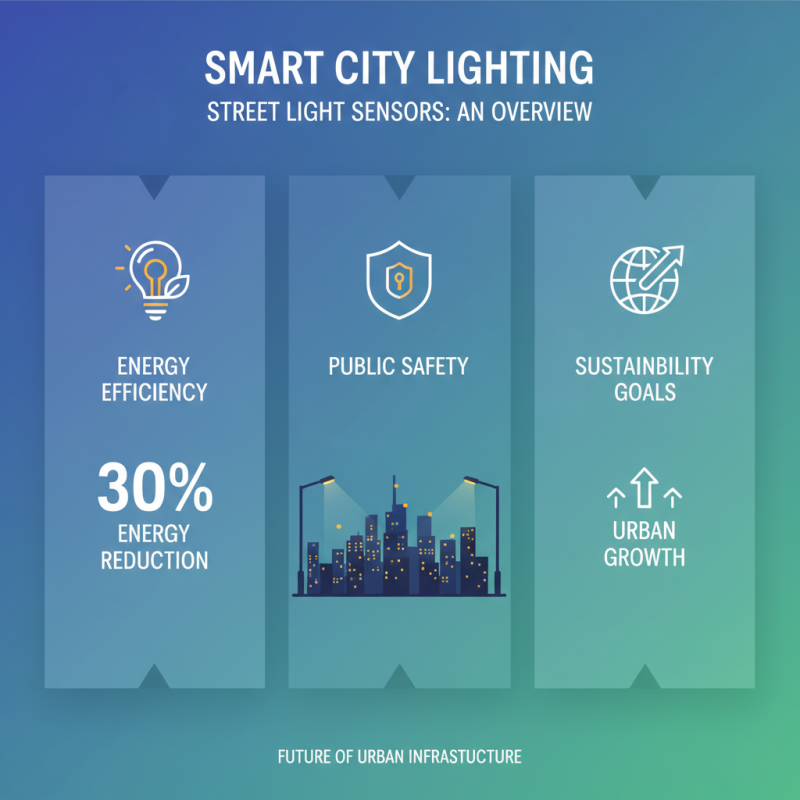
Street lighting is a crucial aspect of urban infrastructure, playing a significant role in public safety and energy efficiency. Recent studies show that smart street light sensors can reduce energy consumption by up to 30%. This is a vital statistic for cities striving to meet sustainability goals. As urban areas continue to grow, efficient lighting solutions become essential.
Smart city initiatives emphasize the integration of advanced technologies in street lighting. Sensors that detect ambient light levels allow for adaptive dimming. When traffic is low, lights can dim, saving energy without compromising safety. Reports indicate that cities adopting these sensors have seen a noticeable improvement in both operational costs and community satisfaction.
However, implementing these solutions poses challenges. Not all cities have the budget for initial investments. Additionally, the technical integration of different systems can complicate deployment. Some stakeholders may find it hard to trust new technologies. While the potential benefits are clear, careful planning and buy-in from all parties are essential for success in smart lighting projects.
Types of Street Light Sensors Utilized in Urban Environments
Street light sensors play a crucial role in modern urban environments. They enhance city safety while optimizing energy use. Various types of sensors cater to different needs. Understanding these types helps cities adopt the best solutions.
One common type is the motion sensor. These detect movement, illuminating lights only when pedestrians or vehicles are nearby. This can save energy but may deter some citizens who feel insecure when lights turn off unexpectedly.
Another type is the ambient light sensor. It adjusts light brightness based on natural light levels. While efficient, reliance on it may lead to insufficient lighting during cloudy days.
Photocells are widely used as well. They automatically turn lights on at dusk and off at dawn. This is useful, but issues can arise with malfunctioning sensors leading to unnecessary lighting.
Smart city designs often integrate multiple sensors to maximize efficiency. However, overwhelmed systems can lead to miscommunication between devices, highlighting a need for continuous evaluation and improvement. Urban planners must consider these factors carefully.
Key Features and Benefits of Smart Street Light Sensors
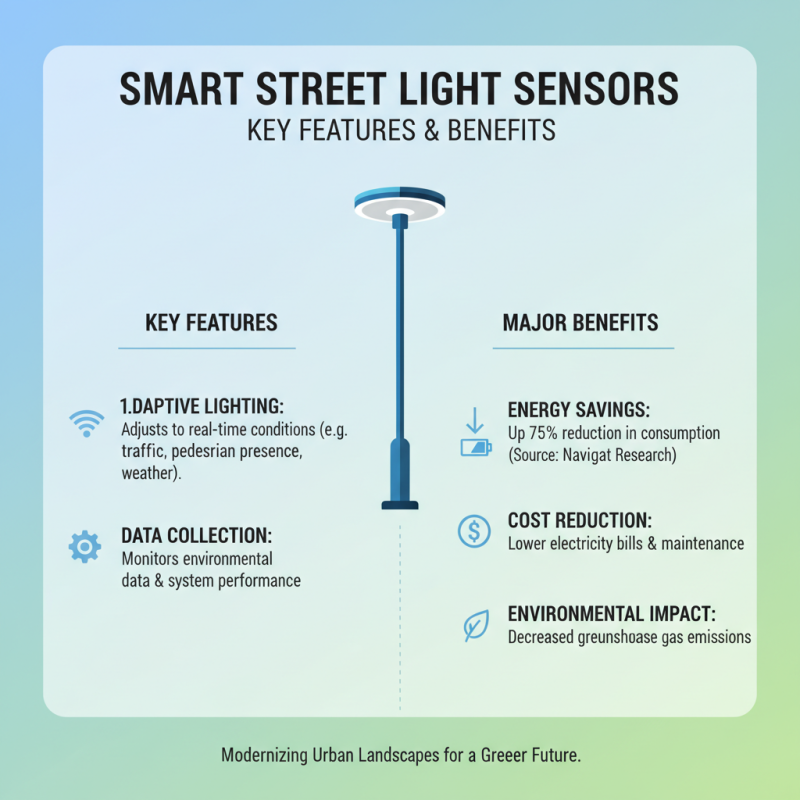
Smart street light sensors are becoming essential for modern urban landscapes. These sensors enable adaptive lighting, which adjusts based on real-time conditions. According to a report by Navigant Research, smart street lighting could reduce energy consumption by up to 75%. This significant reduction not only lowers costs but also decreases greenhouse gas emissions.
Key features include motion detection, ambient light sensing, and remote monitoring capabilities. Motion detection allows lights to brighten when pedestrians or vehicles are nearby, improving safety and energy efficiency. Ambient light sensors ensure optimal brightness, maintaining visibility while minimizing energy use. Moreover, remote monitoring can alert city managers to maintenance needs, potentially reducing operational costs by 30%. However, challenges remain. Data security and system reliability are critical concerns. Cities must ensure that these advanced technologies are resilient against potential cyber threats. Balancing innovation with security is a pressing issue for urban planners.
Integration of Street Light Sensors with Smart City Technologies
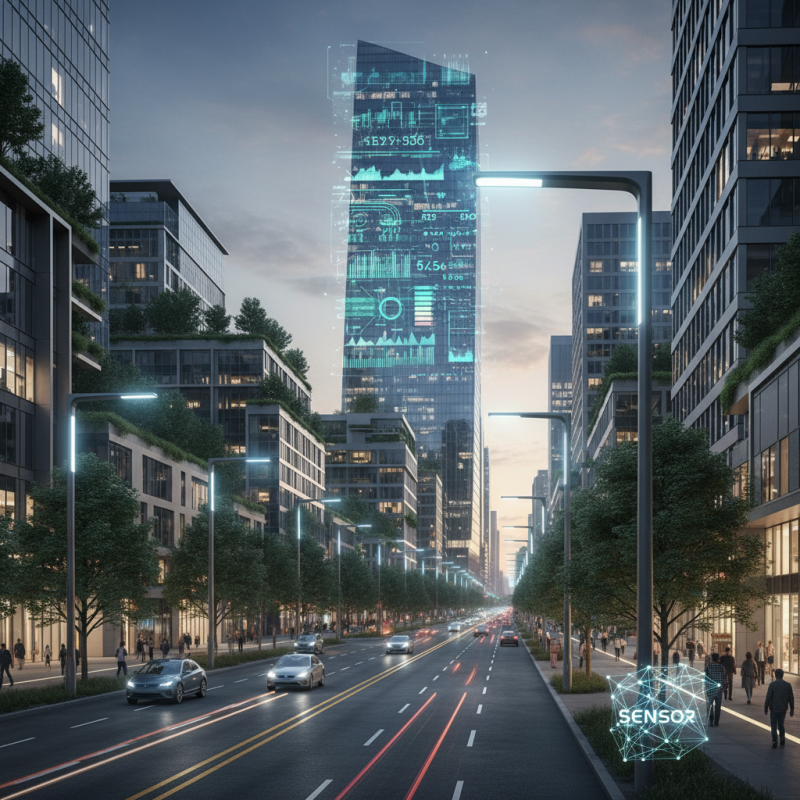
Street light sensors are essential for the integration of smart city technologies. These sensors collect data about ambient light levels, pedestrian movement, and vehicular traffic. A recent report from the International Smart City Forum indicates that cities using smart lighting solutions can reduce energy consumption by up to 40%. This significant reduction not only lowers costs but also contributes to environmental sustainability.
In urban environments, the seamless connection of sensors to central management systems is crucial. The data gathered informs city planners and helps in real-time decision-making. For example, adjusting light intensity based on traffic flows can enhance urban safety. However, challenges persist in achieving uniform sensor deployment. Some areas may lack adequate sensor coverage, leading to inconsistent data and inefficiencies.
Moreover, the reliability of these sensors is vital. Inaccurate readings can result in wasted energy or unsafe street conditions. Recent surveys have shown that while many cities adopt smart lighting, about 30% experience inconsistency in data accuracy. This poses a question for municipalities on how best to approach sensor technology. Stakeholders need to reflect on these issues and seek innovative solutions for better integration into smart city infrastructures.
Future Trends in Street Light Sensors and Smart Lighting Solutions
Street light sensors are becoming essential in smart city lighting solutions. These sensors can adjust lighting based on pedestrian movement and changing weather conditions. This adaptability brings efficiency to energy use. Smart cities benefit from reduced lighting costs and lower carbon footprints. As cities modernize, the need for intelligent lighting grows.
Future trends suggest further integration of artificial intelligence and machine learning in sensor technology. Such advancements can lead to predictive algorithms that anticipate light requirements. This means streets would be brighter when needed and dimmer during off-peak hours. However, challenges persist in data privacy and technology integration. Ensuring security while collecting real-time data is crucial.
Collaboration between city planners and tech developers is vital. Regular evaluations can highlight the successes and shortcomings of current sensors. Continuous improvement is necessary for a truly smart city. Embracing innovative technologies while addressing potential vulnerabilities will shape the future of street lighting.
Best Street Light Sensor for Smart City Lighting Solutions
This chart illustrates the adoption rates of various types of street light sensors in smart city lighting solutions. Photocell sensors are the most widely adopted, followed by smart motion sensors, environmental sensors, and Wi-Fi enabled sensors. The trend indicates a growing interest in leveraging advanced technologies for urban lighting systems.