How to Choose the Best LED Bulb for Your Home?
When it comes to illuminating your home, choosing the right LED bulb can be a daunting task. Robert McFarlane, a renowned expert in the LED lighting industry, once stated, "The right LED bulb can transform your space." This highlights the journey of selecting the perfect LED bulb, which is not always straightforward.
Many options are available, with varying brightness, color temperatures, and energy efficiency ratings. For instance, a warm white light might create a cozy atmosphere, while daylight bulbs provide a vibrant feel. It's easy to become overwhelmed by specifications and choices. Often, homeowners make decisions based on price rather than suitability. Some bulbs may be affordable, but they might lack longevity and efficiency.
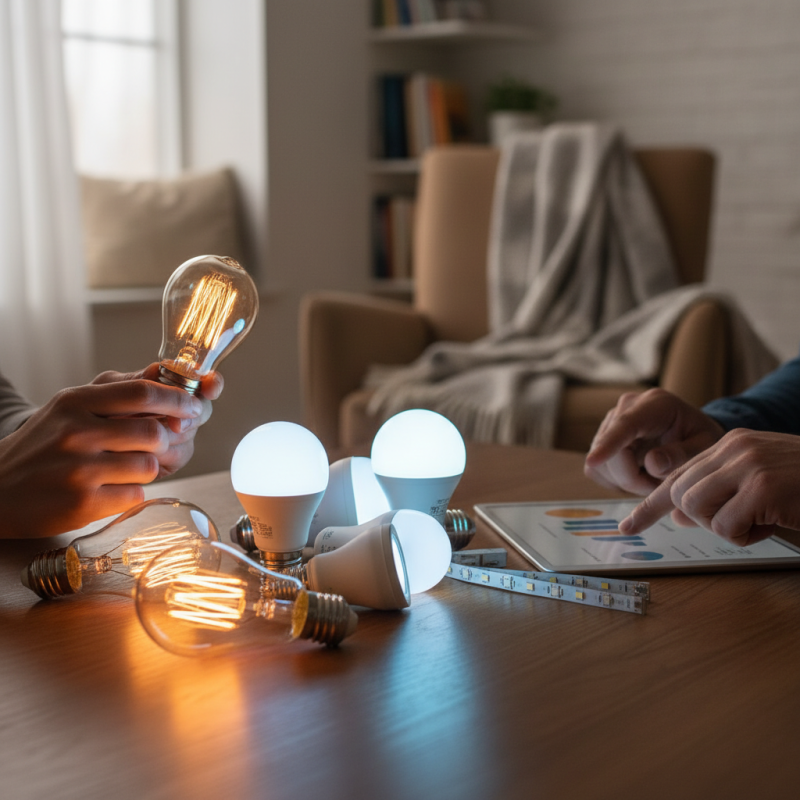
In the quest for the ideal LED bulb, mistakes are common. We might ignore the importance of lumens or wattage equivalencies. Understanding these factors can lead to a more satisfying choice. Evaluating your needs and preferences is essential in making an informed decision. Without this reflection, you might end up with bulbs that do not meet your expectations.
Understanding LED Bulb Types and Their Specifications
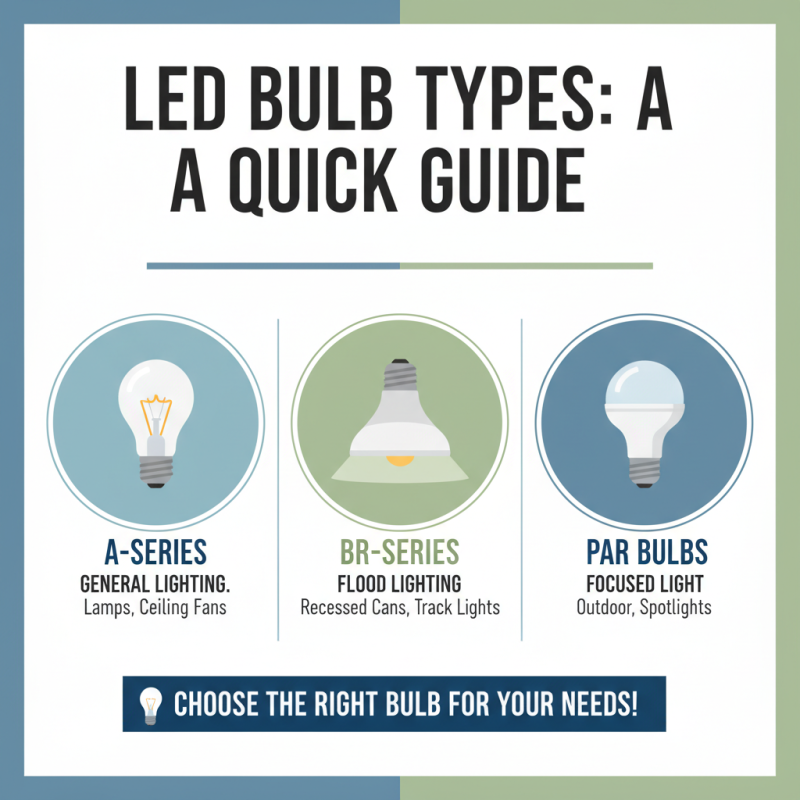
When choosing LED bulbs, understanding their types and specifications is crucial. LED bulbs come in various shapes and sizes. Common types include A-series, BR-series, and PAR bulbs. Each type serves specific purposes based on your lighting needs. For instance, A-series bulbs are ideal for general lighting, while PAR bulbs excel in focused applications, like recessed lighting.
Wattage is another important specification. A 10-watt LED bulb can replace a traditional 60-watt incandescent bulb, saving approximately 80% of energy. This shift contributes to lower electricity bills. According to the U.S. Department of Energy, widespread adoption of LED lighting could save nearly $30 billion in electricity costs by 2027.
Color temperature also matters. LEDs are available in warm white (2700K) and cool white (5000K) tones. Warm white mimics incandescent light, while cool white suits workspaces. However, not all LEDs are created equal. Some may flicker or have poor color rendering. Look for the CRI rating; a score above 80 indicates good color accuracy. It's essential to consider these factors before settling on a choice.
Evaluating Brightness: Lumens vs. Watts Explained
When selecting LED bulbs, understanding brightness is crucial. The brightness of a light bulb is measured in lumens, not watts. Lumens indicate how much light a bulb emits. For instance, a standard 60-watt incandescent bulb produces about 800 lumens. In contrast, a comparable LED bulb uses around 10 to 12 watts while delivering the same brightness.
Confusion often arises between lumens and watts. Watts measure energy consumption. Higher wattage does not mean brighter light. Many consumers mistakenly choose bulbs based solely on wattage, leading to inadequate lighting in their spaces. A recent study indicated that over 40% of consumers still rely on wattage as the primary measure for brightness. This practice overlooks the energy efficiency that LEDs offer with lower wattage.
Homeowners should consider their specific lighting needs. Different rooms require different brightness levels. For example, a kitchen may need around 700 lumens for effective work lighting, whereas bedrooms typically need about 200 to 400 lumens for a cozy feel. Evaluating the lumens required for each space can enhance the overall atmosphere of your home. Remember, the goal is to balance brightness and energy efficiency for an optimal lighting solution.
Color Temperature: How It Affects Ambiance in Your Home
Choosing the right color temperature can transform your living space. Light color temperature is measured in Kelvin (K). Lower values, around 2700K, emit a warm glow. This creates a cozy, inviting atmosphere, perfect for living rooms and bedrooms. Higher values, such as 5000K, produce a cool, daylight-like brightness. This can enhance focus and productivity, ideal for kitchens or work areas.
When selecting LED bulbs, consider the mood you want to establish. Warm light is relaxing but may not be suitable for tasks requiring precision. On the other hand, cooler light may feel sterile. It’s important to reflect on the balance between comfort and functionality in your home. Sometimes, mixing color temperatures in different rooms can be a beneficial approach.
Additionally, dimmable options could offer flexibility. You can adjust the brightness for different activities or times of day. However, be mindful that not all dimmable LEDs perform well. Some may flicker or buzz when dimmed. Testing different options could help you find the best fit. Remember, your choices impact not just the look but the feel of your home.
Energy Efficiency Ratings and Their Importance for Savings
When choosing LED bulbs, energy efficiency ratings play a vital role in reducing your electricity bills. These ratings indicate how much light the bulb emits per watt of energy consumed. Higher ratings mean more light for less energy. This efficiency can make a significant difference over time, leading to substantial savings.
Understanding the different ratings can help you make informed decisions. Look for bulbs with a high lumens-per-watt ratio. It's easy to assume all LED bulbs are the same, but they vary widely in performance and cost. Some options might seem cheaper but could use more energy. This often leads to frustration when the bills arrive.
Keep in mind that not all households use lighting in the same way. Your personal usage impacts overall efficiency. Regularly reassess your lighting needs. Consider the areas where you spend the most time. Choosing the right bulb isn’t always straightforward, and many find this process daunting. Taking time to research energy ratings pays off in comfort and savings.
Choosing the Right Base Type and Shape for Your Fixtures
When selecting an LED bulb, the base type is crucial. Different fixtures require specific base designs. For instance, standard screw-in bases are common in homes. Yet, some fixtures use pin bases or bayonet types. Knowing your fixture is key to finding the right fit.
Another critical factor is the bulb shape. A-shape bulbs are versatile and often used in general lighting. However, recessed lighting typically requires more specialized shapes. Decorative fixtures might need candelabra styles or even globe shapes. Choosing the wrong shape can lead to subpar lighting or visual disarray.
Remember to consider the bulb's efficiency and brightness. Brightness is measured in lumens. Higher lumens mean more light, but context matters. A bright bulb can overwhelm a small room. Conversely, a soft glow may be inadequate for tasks. Testing different options often helps find the right balance. Adjusting light levels can make a world of difference in ambiance.
LED Bulb Types and Their Brightness Levels