How to Choose the Best Zhaga Controller for Your Needs?
Choosing the right Zhaga Controller can be a daunting task. The lighting industry is evolving rapidly. According to a report by MarketsandMarkets, the global smart lighting market is projected to grow from $10.0 billion in 2021 to $24.0 billion by 2026. This growth reflects the increasing demand for energy-efficient solutions.
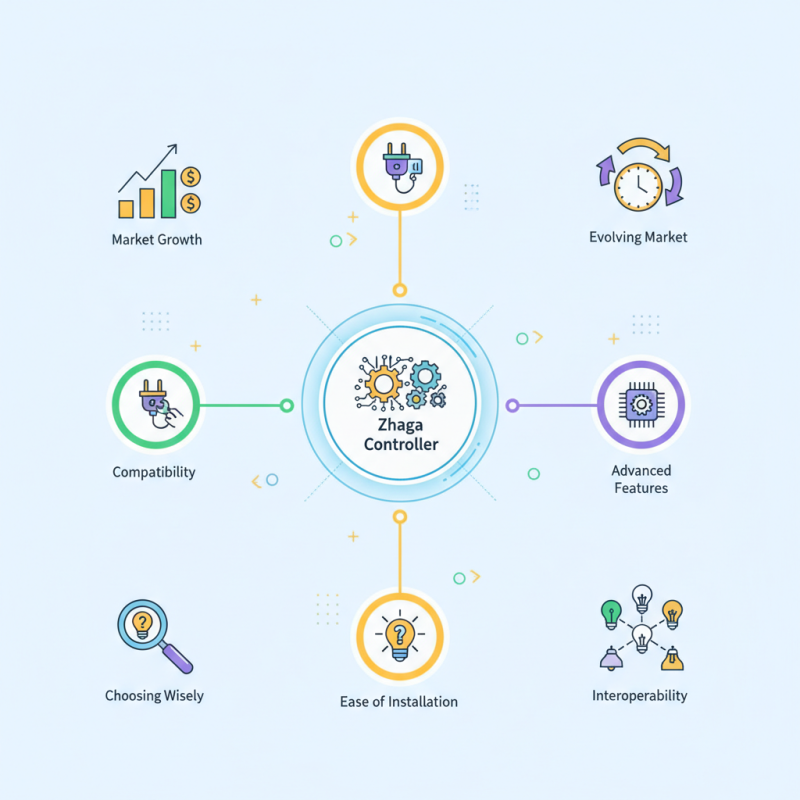
A Zhaga Controller plays a crucial role in ensuring interoperability among various lighting systems. Its ability to provide consistent communication standards enhances system reliability. Users must consider factors like compatibility, ease of installation, and advanced features. Selecting the wrong controller can result in inefficiencies or additional costs.
In an area where innovation is constant, the best choice is not always clear. Reviews and case studies can provide insights, but keep in mind that experiences may vary. Prioritizing your specific needs will guide you to the best Zhaga Controller for your projects. Be prepared to continually reassess your options as the market evolves.
Understanding Zhaga Controllers: Key Features and Specifications
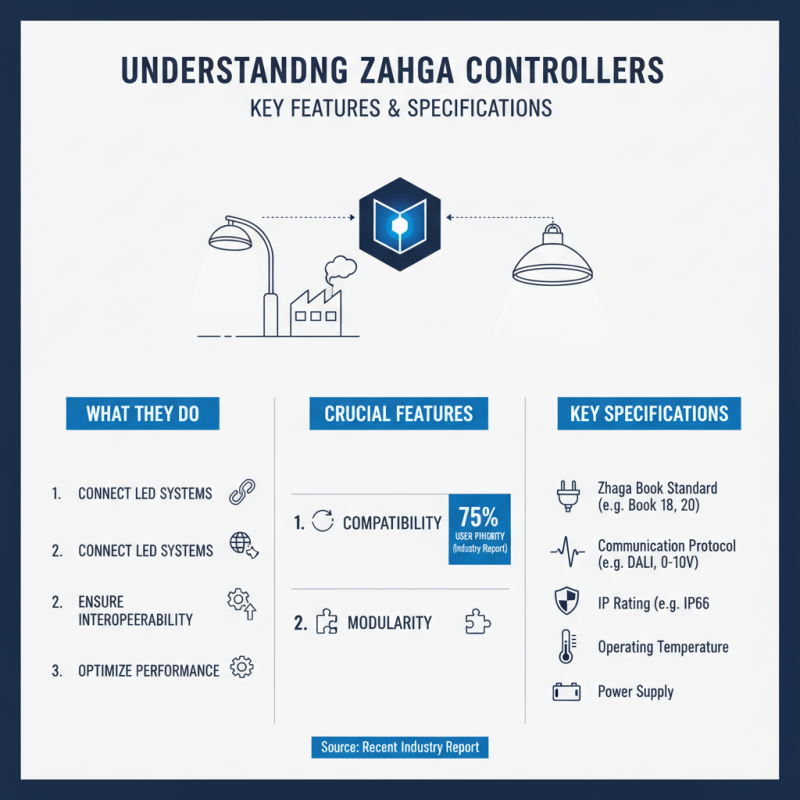
When selecting a Zhaga controller, understanding its key features is crucial. These controllers facilitate connectivity and interoperability in LED lighting systems, ensuring optimal performance. A recent industry report noted that 75% of users prioritize compatibility with existing systems. This highlights the need for careful evaluation of the controller's specifications.
Key features to consider include dimming capabilities, control protocols, and energy efficiency. Controllers with advanced dimming options can enhance the user's experience. An estimated 80% of energy savings in lighting can be achieved using these efficient controllers. Look for models supporting multiple communication protocols; this flexibility ensures integration with various devices.
Tips: Always review technical datasheets. They often provide insights into compatibility and performance metrics. Test your selection in a controlled setup. This approach reveals potential issues early on. Additionally, seek feedback from other users. Their experiences often highlight aspects you might overlook.
Evaluating Your Lighting System Needs and Compatibility
When evaluating your lighting system needs, understanding compatibility is vital. The Zhaga standard, designed for LED lighting, emphasizes modularity. This allows products to be interchanged easily. A recent report indicated that lighting system compatibility can influence efficiency by up to 30%. Selecting a controller that aligns with existing fixtures and drivers ensures seamless integration and optimal performance.
Consider the total wattage of your current lighting setup. A mismatch can lead to energy inefficiencies and unnecessary costs. Research shows that dimmable systems can reduce energy use by approximately 20% when paired with the right controller. Review specifications carefully to confirm that the Zhaga controller supports your light fixtures’ configurations.
Evaluate the control protocols that your system employs. Some controllers handle various communication standards better than others. It’s not uncommon for projects to overlook these details, leading to performance gaps. A detailed analysis of your existing infrastructure will help you choose a controller that enhances your lighting without creating complications.
Comparing Different Zhaga Controller Brands and Models
When selecting a Zhaga controller, it’s essential to compare different brands and models. Each brand offers unique features catering to various lighting applications. Some models emphasize energy efficiency, while others focus on user-friendly interfaces. Understanding these differences can significantly impact your decision.
Consider compatibility with existing systems. Ensure the chosen controller seamlessly integrates with your current lighting setup. Look into the specifications and supported technologies to avoid potential issues. Many controllers support wireless communication, which may enhance your system's functionality.
**Tips:** Always read user reviews. They can provide insights into real-world performance. Verify the warranty period and support services offered. This can save you time and money in the long run. Finally, check if firmware updates are available. These can enhance performance and security. Balancing these factors will help you make an informed choice.
How to Choose the Best Zhaga Controller for Your Needs?
| Model |
Output Power (W) |
Dimming Capability |
Protocol Compatibility |
Control Type |
Efficiency (%) |
| Model A |
40 |
0-10V |
Zigbee, DALI |
Wireless |
90 |
| Model B |
60 |
PWM |
Bluetooth, DALI |
Wired |
92 |
| Model C |
75 |
Analog |
Zigbee, 0-10V |
Wireless |
88 |
| Model D |
100 |
Digital |
DALI, Bluetooth |
Wired |
94 |
Assessing Budget Considerations for Your Zhaga Controller Purchase
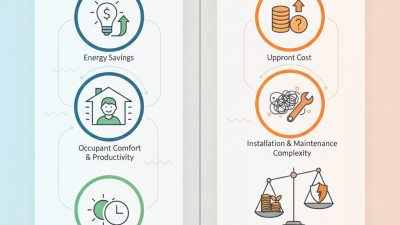
When considering a Zhaga controller, assessing your budget is crucial. A well-balanced budget ensures you get the features needed without overspending. Industry reports indicate that effective budget planning can save up to 30% on initial investment costs. You should consider total costs, not just the price of the controller. Installation, maintenance, and operational costs add to the total expense.
It’s essential to conduct a detailed analysis of your funding limits. Some controllers offer advanced functionalities, which may seem attractive but can dramatically inflate costs. For example, a controller with wireless capabilities might cost significantly more. However, a basic model might be sufficient for simpler applications. Understanding the specific requirements of your project can lead to more strategic choices.
Reflecting on past projects can offer insights into effective budgeting. Budget overruns often occur due to unexpected features or installation challenges. By comparing several models and reading user reviews, better-informed decisions become clearer. Data shows that over 40% of buyers regret their purchase decisions due to miscalculations of hidden costs. Taking time to analyze spending can result in more effective, budget-friendly outcomes.