How to Implement Smart City Lighting Solutions for Urban Efficiency?
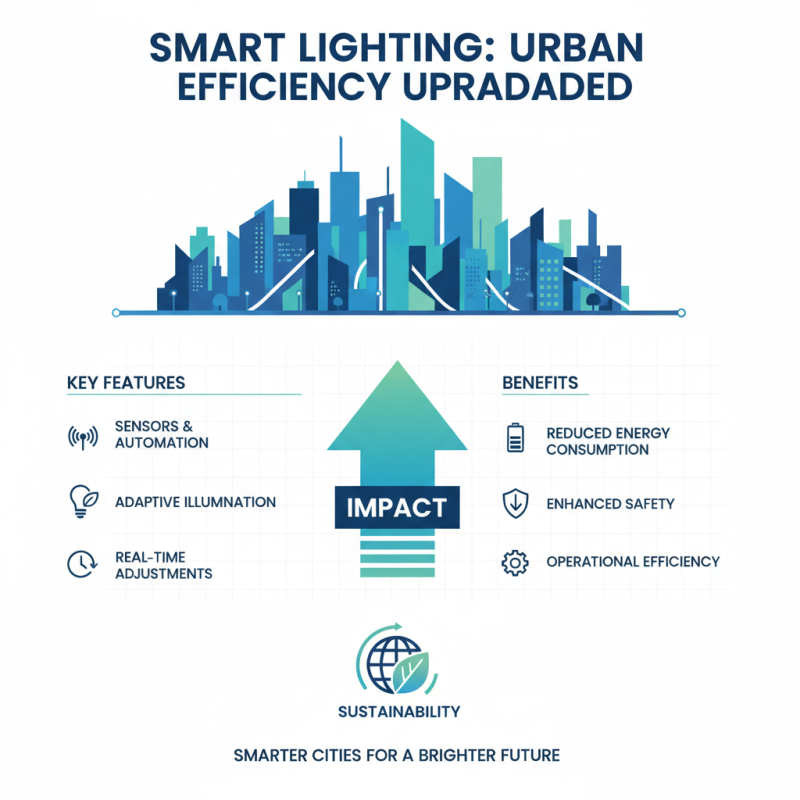
Implementing Smart City Lighting Solutions is vital for enhancing urban efficiency. These systems integrate advanced technologies to optimize energy use and improve public safety. For example, sensors can detect pedestrian movement and adjust lighting accordingly. This not only conserves energy but also creates a safer environment for citizens at night.
Smart City Lighting Solutions also enable cities to become more resilient. Cities equipped with intelligent lighting can respond quickly to emergencies. However, challenges remain. Integrating these systems into existing infrastructure can be complex. Many cities struggle with outdated technology that limits potential improvements.
Moreover, there is a need for public awareness and acceptance of these technologies. Residents may fear change or feel mistrust about data collection. Engaging the community is crucial for successful implementation. It ensures that solutions meet the needs of all citizens. Embracing Smart City Lighting Solutions is not just about technology; it’s about fostering a brighter, more efficient urban future.
Overview of Smart City Lighting Solutions
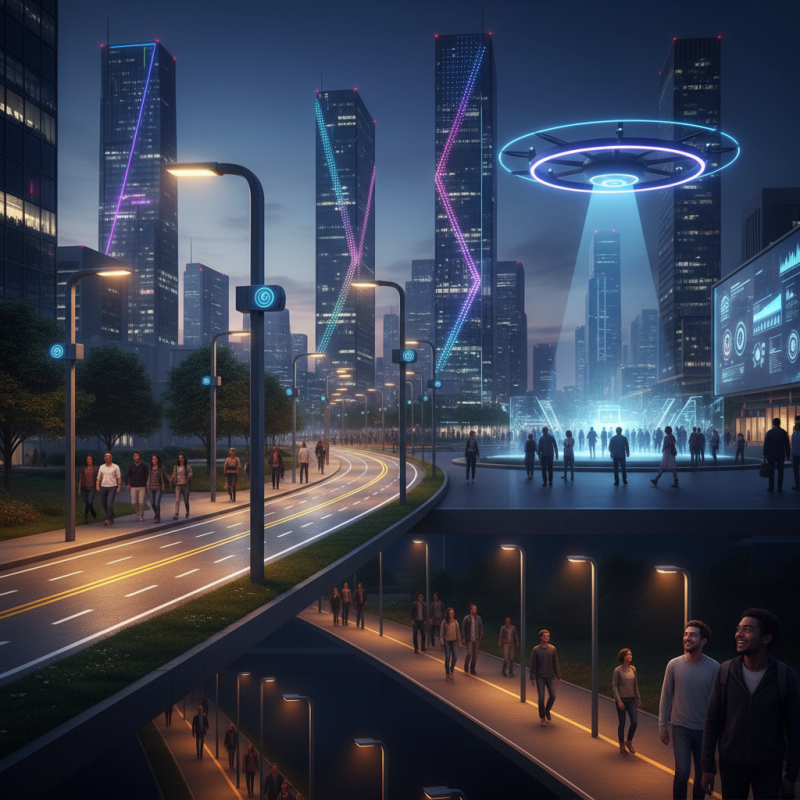
Smart city lighting solutions are transforming urban environments. These systems enhance energy efficiency and improve public safety. According to a recent report, cities that adopted smart lighting reduced energy consumption by up to 70%. This reduction not only decreases costs but also lowers carbon emissions.
Integrating smart lighting involves various technologies. Sensor-based systems can adjust brightness based on real-time conditions. This adaptability increases safety during low-traffic hours. However, implementation can face challenges. Many cities struggle with outdated infrastructure, making upgrades costly and complicated. A survey indicates that 40% of city managers are hesitant to invest due to financial constraints.
The potential benefits are significant. Improved lighting can enhance the aesthetic appeal of urban areas. Additionally, data collected from smart systems can assist in urban planning. Yet, cities must be cautious. Over-reliance on technology raises concerns about maintenance and cybersecurity. Balancing innovation with practicality is crucial for sustainable urban growth.
Smart City Lighting Solutions: Energy Consumption Comparison
Key Technologies in Smart Lighting Infrastructure
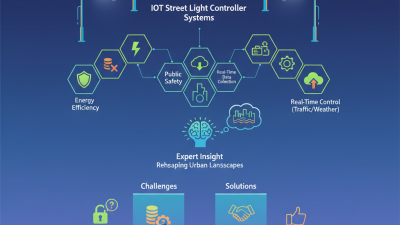
Smart city lighting solutions enhance urban efficiency through innovative technologies. One key technology is LED lighting. These lights consume less energy and last longer than traditional bulbs. When smart sensors are added, they can adjust brightness based on traffic and weather conditions. This flexibility not only saves energy but also improves safety.
Tips: Consider integrating motion sensors that
dim or brighten lights based on real-time pedestrian traffic. This can help in energy management while ensuring safety.
Another important technology is the integration of IoT devices. They can monitor lighting status remotely and provide real-time data. This data helps city planners make informed decisions. However, not all areas can benefit equally. Some neighborhoods may not have the infrastructure to support these advancements.
Tips: Evaluate the existing urban infrastructure before implementing smart lighting solutions.
Identify gaps and plan accordingly.
Steps for Planning and Designing Smart Lighting Systems
Designing smart lighting systems for cities is a crucial step toward urban efficiency. The process begins with assessing current lighting infrastructures. Many cities still rely heavily on outdated technologies. This leaves room for significant improvement. According to a report by the International Energy Agency, intelligent lighting can reduce energy consumption by up to 50%.
Next, engaging local stakeholders is essential. Cities need input from residents and businesses. For instance, a community forum can identify specific needs and preferences. Involving users helps tailor lighting solutions effectively. Some municipalities have found that public engagement reduces resistance to changes. A study from the Smart Cities Council shows that participatory planning increases project success.
After planning, technology selection is vital. Options range from LED fixtures to adaptive lighting systems. However, not all technologies are suitable for every area. Some urban spaces may require varied lighting intensities. Data collection on traffic and pedestrian patterns is necessary. A one-size-fits-all approach can lead to inefficient solutions. Cities should continually evaluate the performance of these systems. In doing so, adjustments can be made for optimal efficiency.
How to Implement Smart City Lighting Solutions for Urban Efficiency?
| Step |
Description |
Expected Outcome |
Implementation Timeframe |
| 1 |
Conduct a needs assessment to identify lighting requirements. |
Clear understanding of community lighting needs. |
1-2 months |
| 2 |
Research and choose the appropriate smart lighting technologies. |
Selection of efficient and adaptable technology. |
2-3 months |
| 3 |
Develop a detailed plan including layout and financial projections. |
Comprehensive implementation roadmap. |
3-4 months |
| 4 |
Engage stakeholders and community members for feedback. |
Community buy-in and improved project relevance. |
1-2 months |
| 5 |
Begin installation of smart lighting systems. |
Functional smart lighting in place. |
6-12 months |
| 6 |
Monitor and maintain the systems for optimal performance. |
Sustained efficiency and effectiveness of lighting. |
Ongoing |
Integrating Smart Lighting with Urban Management Systems
Smart lighting is a crucial facet of modern urban management. Integrating smart lighting with urban management systems can enhance city efficiency. For instance, cities can use connected sensors to gather data about traffic and pedestrian patterns. According to industry reports, cities implementing smart lighting can achieve energy savings of over 30%. This has a direct impact on operational costs.
However, deploying these systems isn't without challenges. Cities must consider the existing infrastructure and potential integration issues. Not every locale has the bandwidth for advanced technologies. System compatibility is another concern. Balancing innovation with reliability requires careful planning and foresight.
Moreover, public acceptance plays a role. Residents might be hesitant about data collection. Transparency is vital to build trust. Understanding the community’s perspective can lead to better implementation strategies. Feedback loops between city officials and citizens can refine these efforts. Ultimately, while the potential is vast, there is much to learn from ongoing trials and implementations.
Measuring the Impact of Smart Lighting on Urban Efficiency
Smart lighting solutions have the potential to significantly enhance urban efficiency. By integrating sensors and automated controls, cities can adjust lighting based on real-time conditions. This leads to reduced energy consumption, which is crucial for sustainability efforts. Streets illuminated only when needed create a safer and more efficient urban environment.
However, the impact of smart lighting extends beyond energy savings. Brightness and distribution can affect local crime rates. Well-lit areas often see reduced incidents, promoting a sense of safety. Yet, too much light can contribute to light pollution, harming wildlife and disrupting local ecosystems. Finding the right balance is essential for overall urban health.
Measuring the effectiveness of smart lighting is complex. Cities need to collect data on energy use, crime rates, and community feedback. Are residents experiencing better safety? Is energy cost definitely lower? These metrics can be hard to quantify. Continuous monitoring and adjustments are necessary to ensure that smart lighting achieves its intended benefits, making room for improvement.