What is Intelligent Lighting Systems? Benefits, Technology, and Applications Explained
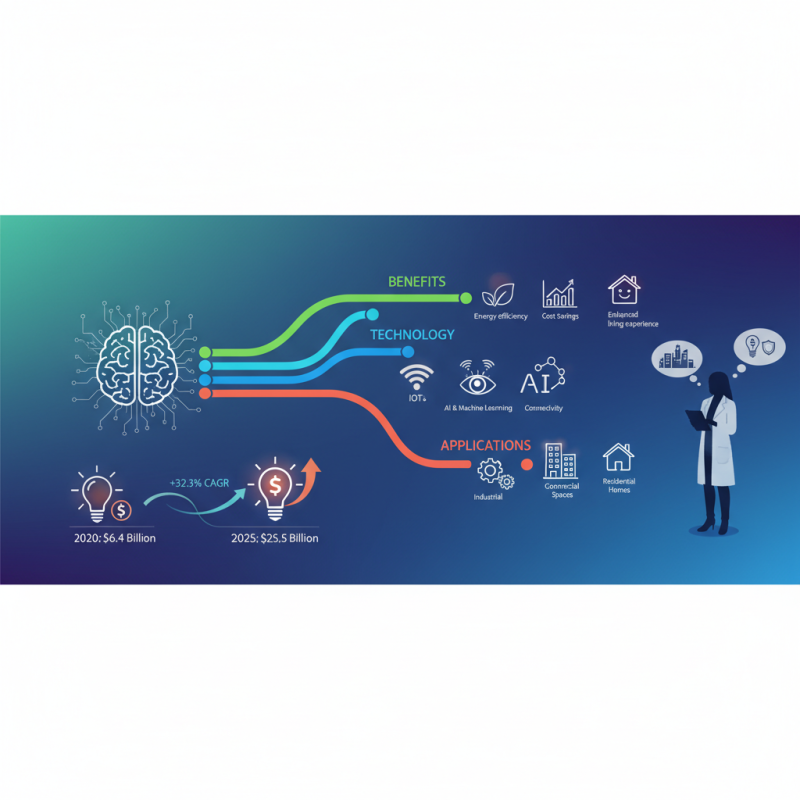
Intelligent Lighting Systems are revolutionizing the way we perceive and utilize lighting in various environments, offering enhanced control, efficiency, and adaptability. According to a report by MarketsandMarkets, the global intelligent lighting market is projected to grow from $6.4 billion in 2020 to $25.5 billion by 2025, showcasing an impressive CAGR of 32.3%. This substantial growth underscores the increasing adoption of smart lighting solutions across residential, commercial, and industrial sectors, driven by the need for energy-efficient and sustainable practices.
Dr. Emily Johnson, a renowned expert in smart technologies, emphasizes the transformative potential of Intelligent Lighting Systems, stating, “As cities evolve into smart ecosystems, Intelligent Lighting Systems will not only enhance visibility but also contribute significantly to energy savings and improved safety.” These systems utilize advanced technologies such as IoT, sensors, and AI to create adaptable lighting scenarios tailored to user needs and environmental conditions. The integration of these technologies leads to smarter cities, improved productivity in workspaces, and enhanced user experiences in homes.
As we delve deeper into the benefits, technology, and applications of Intelligent Lighting Systems, it becomes evident that this innovation is more than just an upgrade to traditional lighting; it represents a pivotal shift towards a more sustainable and intelligent future. By understanding the core aspects of these systems, stakeholders can harness their full potential to create more efficient and responsive lighting environments.
What is Intelligent Lighting Systems?
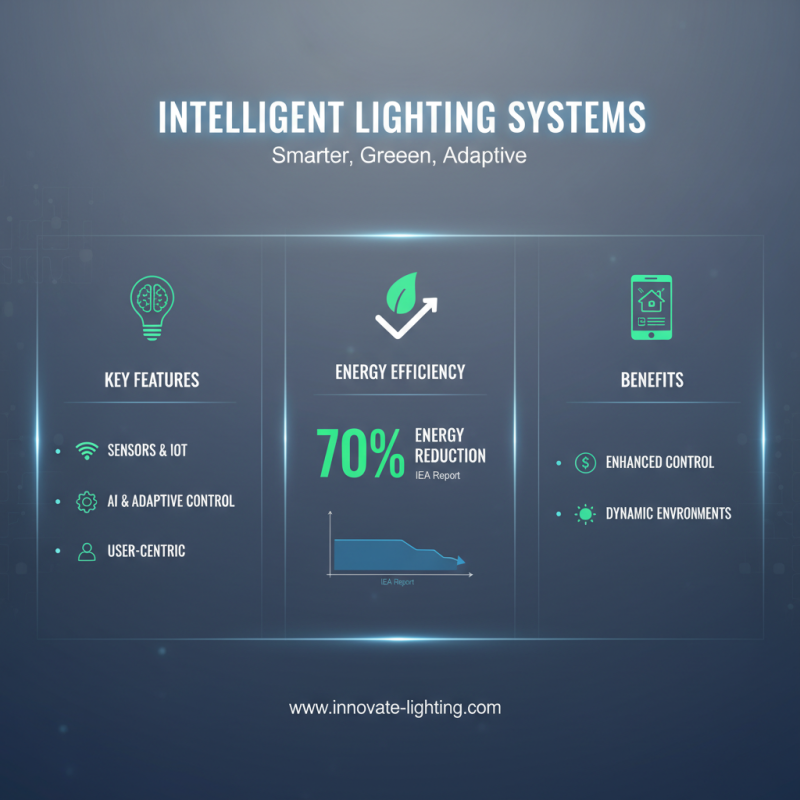
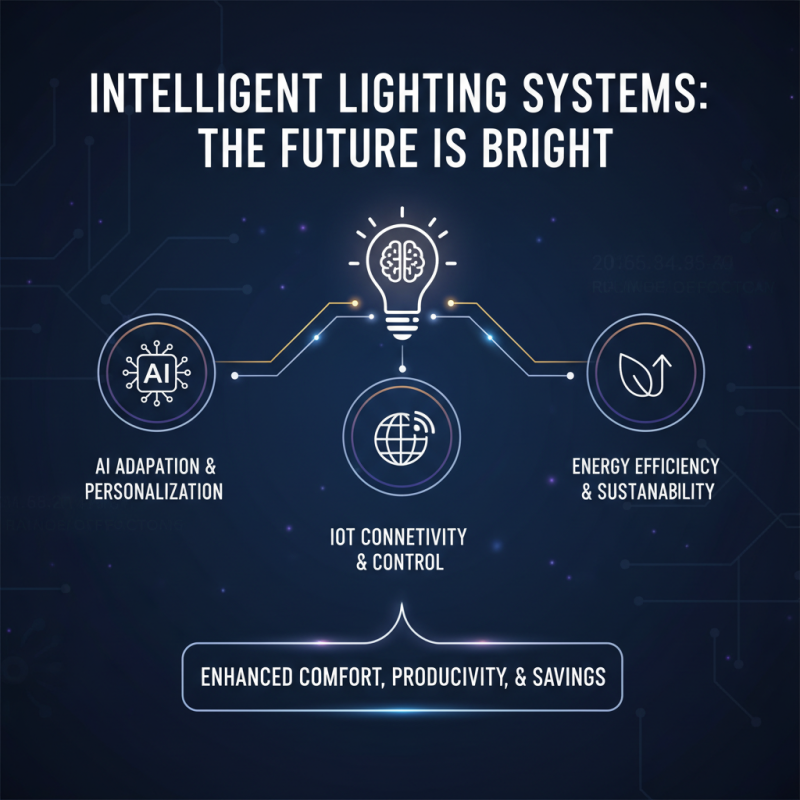
Intelligent lighting systems represent the integration of advanced technology within traditional lighting frameworks, allowing for enhanced control, energy efficiency, and user adaptability. These systems leverage sensors, IoT connectivity, and artificial intelligence to provide a responsive lighting environment that can adjust based on occupancy, time of day, or individual preferences. According to a report from the International Energy Agency (IEA), smart lighting solutions can reduce energy consumption in buildings by up to 70%, highlighting their potential impact in energy efficiency and operational cost savings.
One of the defining features of intelligent lighting systems is their ability to enhance user experience through personalization. By utilizing data analytics and machine learning algorithms, these systems can adapt to user behaviors and preferences, creating dynamic lighting environments that improve comfort and productivity. A Smart Cities report by the World Economic Forum indicates that implementing intelligent lighting can also contribute to urban safety and environmental sustainability, by enabling features such as adaptive brightness, which reduces light pollution and saves energy. This technology is increasingly being adopted in various sectors, ranging from commercial buildings to residential areas, driving a transformative change in how we think about and interact with our lighting solutions.
Key Technologies Behind Intelligent Lighting Systems
Intelligent Lighting Systems (ILS) leverage advanced technologies to create adaptable, efficient, and sustainable lighting solutions for various environments. The key technologies driving these systems include Internet of Things (IoT) connectivity, sensors, and data analytics. According to a report by Navigant Research, the global market for intelligent lighting systems is projected to reach $28 billion by 2027, underscoring the significant impact of these innovations on energy savings and user experience.
IoT connectivity allows intelligent lighting systems to integrate into smart buildings and urban infrastructures seamlessly. This integration enables real-time monitoring and control, such as adjusting brightness based on occupancy or natural light levels. Additionally, wireless sensor networks play a crucial role, collecting data on user behavior and environmental conditions. According to a recent study by the American Council for an Energy-Efficient Economy, buildings equipped with intelligent lighting can reduce energy consumption by up to 40%, reflecting the substantial benefits of deploying these technologies.
Moreover, the utilization of advanced data analytics facilitates predictive maintenance and enhances the overall efficacy of lighting systems. As these technologies evolve, their capability to provide personalized lighting experiences will also grow. A report by Markets and Markets predicts that by 2025, the adoption of smart lighting solutions will significantly enhance user satisfaction and operational efficiency in both commercial and residential sectors, highlighting the importance of these technologies in shaping the future of lighting.
Benefits of Implementing Intelligent Lighting Solutions
Implementing intelligent lighting solutions offers numerous benefits that significantly enhance both energy efficiency and user experience. One of the primary advantages is the substantial reduction in energy consumption. Intelligent lighting systems utilize advanced technologies such as sensors and timers to adjust brightness based on occupancy and natural light levels, thereby minimizing unnecessary energy use. This not only leads to reduced utility bills but also contributes to a smaller carbon footprint, aligning with sustainability goals and promoting a greener environment.
In addition to energy savings, intelligent lighting enhances safety and convenience in various settings. For instance, in commercial spaces, adaptive lighting can improve visibility in high-traffic areas, reducing the likelihood of accidents. In residential situations, smart lighting systems can be programmed for specific routines, automatically turning on and off based on the homeowner's preferences, which also serves as a security measure by simulating occupancy when residents are away. Furthermore, the integration of lighting with smart home systems allows for personalized control, enabling users to create ambiance and adjust lighting seamlessly through mobile devices or voice commands, thus enhancing the overall quality of life.
What is Intelligent Lighting Systems? Benefits, Technology, and Applications Explained
| Dimension |
Data |
| Energy Efficiency (%) |
30-50 |
| Cost Savings ($/year) |
200-500 |
| Average Lifespan (years) |
10-20 |
| Reduction in Carbon Footprint (%) |
20-40 |
| User Satisfaction Rate (%) |
85-95 |
| Integration with Smart Home Systems |
Yes |
Applications of Intelligent Lighting in Various Industries
Intelligent lighting systems are increasingly being adopted across various industries to enhance efficiency, safety, and user experience. In the commercial sector, for instance, smart lighting solutions are proving to be a game-changer. According to a report by Research and Markets, the global smart lighting market is anticipated to reach $82.4 billion by 2026, driven largely by demand for automated systems that optimize energy consumption and improve operational workflows. Intelligent lighting in office environments allows for customized brightness levels that adapt to natural light conditions, improving workplace productivity and employee comfort.
In the healthcare industry, intelligent lighting systems are being implemented to support patient well-being and operational efficiency. Studies show that specific lighting conditions can significantly affect patient recovery rates and staff performance. A report by the American Society of Interior Designers noted that the integration of circadian lighting in hospitals resulted in a 25% reduction in in-patient recovery times, showcasing the profound impact of tailored lighting solutions on health outcomes. Furthermore, smart lighting aids in creating alerts through changes in lighting patterns, enhancing safety in these critical environments.
The retail sector is also leveraging intelligent lighting technologies to enhance customer engagement and increase sales. A survey by the International Council of Shopping Centers revealed that 70% of consumers feel more inclined to enter a store with well-designed lighting. Smart lighting systems enable retailers to create dynamic environments that highlight products and improve the shopping experience, ultimately leading to higher conversion rates. As industries continue to explore and adopt intelligent lighting solutions, the benefits in productivity, health, and customer satisfaction will become increasingly evident.
Applications of Intelligent Lighting Systems in Various Industries
The bar chart above illustrates the adoption rates of intelligent lighting systems across various industries. As evident, sectors like Smart Homes and Hospitality demonstrate the highest adoption rates, reflecting their proactive role in embracing technology for enhanced efficiency and user experience.
Future Trends in Intelligent Lighting Systems and Their Impact
The future of intelligent lighting systems is poised for significant transformation as advancements in technology continue to evolve. Emerging trends such as the integration of artificial intelligence, the Internet of Things (IoT), and energy-efficient solutions are reshaping how we conceive and implement lighting in various environments. AI-driven systems can adapt to user preferences and environmental conditions in real-time, providing personalized lighting experiences that enhance comfort and productivity. Moreover, IoT connectivity allows for seamless control and monitoring of lighting systems remotely, promoting greater convenience and energy savings.
As intelligent lighting systems become more prevalent, their impact on urban design and sustainability will be profound. Smart lighting can contribute to reducing energy consumption and lowering carbon footprints in cities, as adaptive systems can adjust brightness based on natural light availability and occupancy. This technology not only enhances aesthetic appeal in urban spaces but also supports safety and security through better-lit public areas. Furthermore, the integration of sensors and data analytics will enable cities to optimize lighting patterns dynamically, responding to real-time traffic and crowd levels, ultimately fostering smarter, more efficient urban environments.