Top IoT Street Light Controller Systems to Watch in 2025
As urbanization accelerates and smart city initiatives gain momentum, the importance of efficient and sustainable infrastructure becomes increasingly apparent. A pivotal component of this evolution is the IoT Street Light Controller System, which leverages Internet of Things technology to enhance the management and operation of street lighting. According to a report by MarketsandMarkets, the global smart street lighting market is projected to reach $20.3 billion by 2026, growing at a CAGR of 18.2% from 2021 to 2026. This surge underscores the pressing need for innovative solutions that not only reduce energy consumption but also improve public safety and operational efficiency.
The integration of IoT Street Light Controller Systems enables municipalities to remotely monitor and control lighting assets, allowing for real-time adjustments based on environmental conditions and traffic patterns. A recent study by Transparency Market Research estimates that the adoption of smart lighting solutions could lead to energy savings of up to 50-70%, presenting a significant opportunity for cities to reduce their carbon footprint while optimizing resource allocation. As we look ahead to 2025, it is crucial to explore the leading systems in this domain that are poised to shape the future of urban infrastructure, aiming for enhanced connectivity and sustainability in smart city developments.
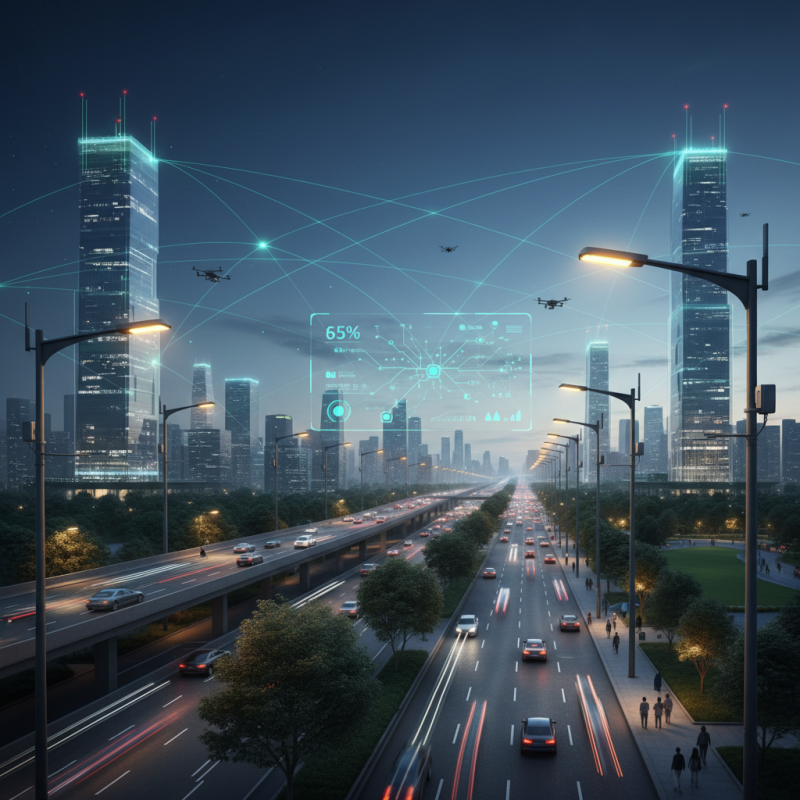
Overview of IoT Street Light Controller Systems
The Internet of Things (IoT) is revolutionizing urban infrastructure, and street lighting is one of its most promising applications. By 2025, it is projected that over 70% of cities worldwide will have implemented smart street light controller systems, significantly improving energy efficiency and reducing operational costs. According to a recent report by Markets and Markets, the global smart street lighting market is expected to grow from $7.5 billion in 2021 to $14.8 billion by 2026, reflecting a compound annual growth rate (CAGR) of around 14.8%. This trend is spurred by the urgent need for sustainable urban solutions and the growing focus on smart city initiatives.
These IoT street light controllers are equipped with advanced sensors and communication technologies that enable remote monitoring, data collection, and real-time management of lighting systems. By utilizing adaptive lighting strategies based on environmental conditions and pedestrian traffic, cities can minimize energy consumption by up to 50%. Additionally, integration with other smart city platforms allows for enhanced public safety and emergency response capabilities, making urban areas safer and more efficient. As municipalities look to enhance their infrastructures and embrace digital transformation, the adoption of IoT street light controller systems will play a critical role in achieving these goals.
Top IoT Street Light Controller Systems to Watch in 2025
This chart displays the predicted performance metrics of various IoT street light controller system capabilities to be observed in 2025. The metrics include Energy Efficiency, Remote Control, Data Analytics, Adaptive Lighting, and Integration Capabilities, highlighting the advancements and expectations in the IoT sector for smart street lighting solutions.
Key Features of Advanced IoT Street Light Controllers
As cities move toward smarter infrastructure, advanced IoT street light controllers are becoming essential components of urban management. These systems enhance energy efficiency, significantly reducing operational costs. According to a recent report by MarketsandMarkets, the global smart street lighting market is projected to reach USD 15.1 billion by 2025, growing at a compound annual growth rate (CAGR) of 20.2%. This growth highlights the increasing reliance on IoT solutions that enable real-time monitoring and control of streetlights.
Key features of advanced IoT street light controllers include adaptive lighting, automatic fault detection, and data analytics capabilities. Adaptive lighting systems utilize sensors to adjust brightness based on real-time conditions, such as pedestrian movement or ambient light levels, resulting in energy savings of up to 60%. Automatic fault detection allows for immediate identification of malfunctioning lights, reducing maintenance costs and improving safety for citizens. Furthermore, the integration of data analytics empowers city planners with insights to optimize light usage and enhance urban planning initiatives, making cities not only safer but also more sustainable. As municipalities invest in these technologies, their potential for improving quality of life remains substantial, as indicated by recent findings from the International Energy Agency, which suggest that smart lighting could reduce global energy consumption by 30% by 2030.
Top IoT Street Light Controller Systems to Watch in 2025 - Key Features of Advanced IoT Street Light Controllers
| Feature |
Description |
Benefit |
| Adaptive Lighting |
Adjusts brightness based on ambient light conditions |
Increases energy efficiency and extends lamp life |
| Remote Monitoring |
Real-time status updates and alerts for failures |
Enables quick response to maintenance needs |
| Data Analytics |
Collects and analyzes data on energy usage and performance |
Informs operational optimizations and cost savings |
| Integration with Smart City Infrastructure |
Connects with other smart devices and systems |
Enhances overall city management and resource allocation |
| Energy Harvesting |
Utilizes solar or wind energy to power lights |
Reduces dependency on the grid and lowers costs |
| Vehicle and Pedestrian Detection |
Sensors that detect nearby vehicles or pedestrians |
Improves safety and adjusts lighting accordingly |
| Environmental Sensors |
Measures air quality, temperature, and noise levels |
Supports city health initiatives and urban planning |
Leading Companies in the IoT Street Light Market
The IoT street light controller market is poised for significant growth in the coming years, driven by advancements in smart city technologies. According to a recent report by MarketsandMarkets, the global smart street lighting market is expected to reach USD 11.84 billion by 2025, growing at a CAGR of 23.7% from 2020. This rapid expansion suggests a booming demand for innovative IoT solutions that enhance energy efficiency, reduce operational costs, and improve urban livability.
Several leading companies are at the forefront of this market, focusing on comprehensive solutions that combine hardware and software integration. These advancements enable real-time monitoring and data analytics, allowing municipalities to optimize their lighting systems, respond to maintenance needs swiftly, and reduce energy consumption significantly. A Frost & Sullivan report indicates that cities adopting IoT-enabled street lighting can achieve energy savings of up to 50% over traditional systems. This compelling statistic underscores the effectiveness of smart lighting technologies in enhancing urban infrastructure.
Tips for cities looking to implement IoT street light systems include: conducting a thorough needs assessment to understand specific urban requirements and setting clear objectives for energy savings. Additionally, engaging with community stakeholders can ensure that the solutions implemented align with public needs and expectations. Finally, investing in scalable systems will allow cities to adapt to future technological advancements and grow their smart infrastructure seamlessly.
Predicted Trends in IoT Street Lighting Technologies
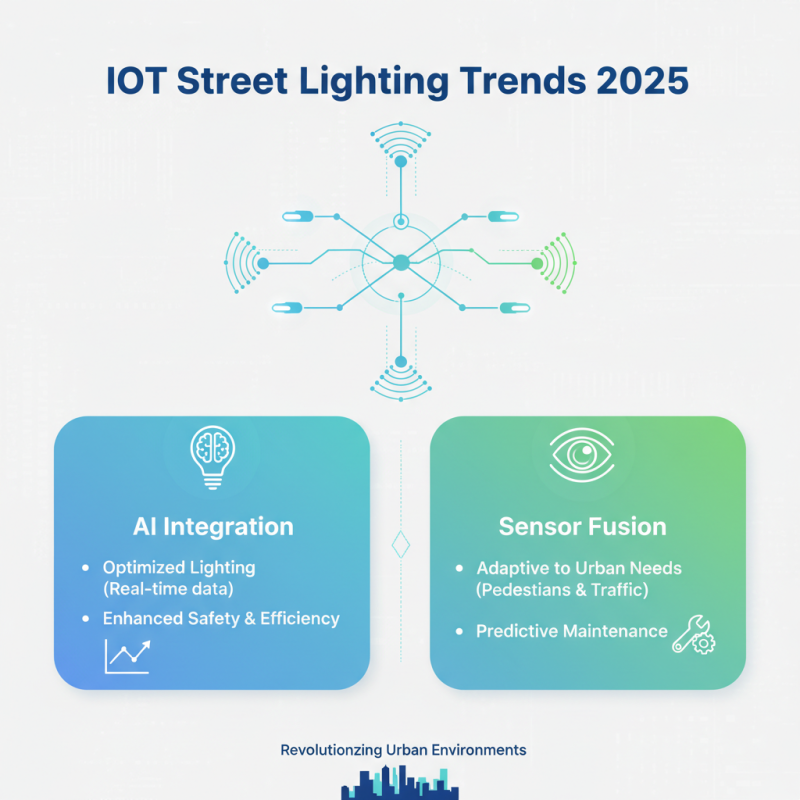
As we look ahead to 2025, several key trends are emerging in the realm of IoT street lighting technologies that are set to revolutionize urban environments. Firstly, the integration of artificial intelligence (AI) into street light control systems is expected to enhance functionality significantly. AI-powered systems can analyze data from sensors to optimize lighting based on real-time conditions, such as pedestrian activity and traffic patterns. This capability not only leads to energy savings but also improves safety and visibility in urban areas, making streets more adaptable to the needs of their users.
Another critical trend is the increasing emphasis on sustainability within IoT street lighting solutions. Future systems are expected to prioritize energy efficiency by utilizing advanced LED technology combined with renewable energy sources, such as solar power. Furthermore, the deployment of smart sensors will enable street lights to communicate with each other and adjust their brightness based on ambient light conditions or weather changes, thus reducing energy consumption during off-peak times. This eco-conscious approach not only aligns with global sustainability goals but also enhances the resilience of urban infrastructure against climate change impacts.
Finally, interoperability among various smart city solutions is set to become a standard feature. As cities adopt more interconnected technologies, the ability for street lighting systems to integrate seamlessly with other urban services—such as traffic management and public safety systems—will gain prominence. This interconnectedness will facilitate better data sharing and coordination, ultimately leading to more efficient and responsive urban environments. These anticipated trends suggest a bright future for IoT street lighting, paving the way for smarter, greener cities by 2025.
Impact of IoT Street Light Controllers on Urban Infrastructure
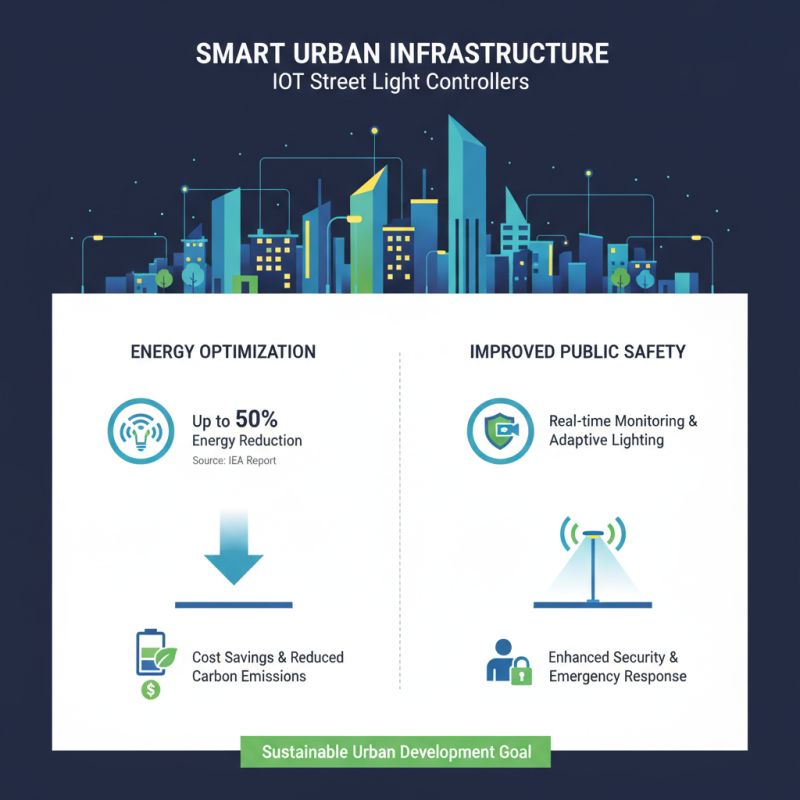
The integration of IoT street light controllers is poised to significantly enhance urban infrastructure by optimizing energy consumption and improving public safety. According to a recent report by the International Energy Agency (IEA), smart lighting systems can reduce energy use by up to 50% compared to traditional street lighting. This efficiency not only leads to substantial cost savings for municipalities but also contributes to global efforts in reducing carbon emissions, aligning with sustainable urban development goals.
Moreover, IoT street light controllers facilitate advanced data collection and analytics, empowering city planners to make informed decisions. A study published in the Journal of Urban Technology highlights that cities implementing smart lighting solutions have reported a decrease in crime rates, as adaptive lighting can respond to environmental cues and enhance visibility in high-risk areas. The ability to monitor and manage city lighting in real-time also promotes a responsive urban environment, where infrastructure dynamically evolves to meet the needs of its citizens, ultimately fostering safer and more livable neighborhoods.
The deployment of these intelligent systems is expected to further accelerate, with estimates indicating that the global smart street lighting market could reach $27 billion by 2025. This growth underscores the critical role IoT street light controllers will play in modernizing urban infrastructure, leading to enhanced connectivity and integration of various smart city technologies. As cities continue to grapple with the challenges of urbanization, the proactive implementation of IoT solutions in street lighting is likely to be a cornerstone of successful urban management strategies.