How to Use Smart LED Strips and Smart Street Light Controllers Effectively?
The rise of smart technology has transformed urban landscapes. A report from the International Energy Agency highlights that smart street lighting can reduce energy consumption by up to 38%. This shift offers cities a chance to enhance efficiency while cutting costs.
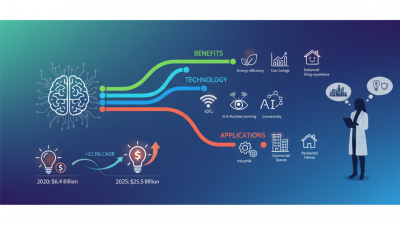
Smart LED strips are gaining popularity in homes and businesses. These strips not only provide dynamic lighting options but also improve energy efficiency. According to a recent market analysis, the demand for smart LED solutions is expected to grow by over 25% annually. Businesses are increasingly leveraging smart street light controllers. These tools enable real-time monitoring and control, contributing to urban sustainability.
However, challenges exist. Many users struggle with the effective integration of these smart technologies. The learning curve can be steep, and not all users are satisfied. Reflecting on personal experiences, it's crucial to identify areas for improvement. Embracing these sophisticated systems could lead to enhanced illumination and significant energy savings.
Understanding Smart LED Strips and Their Advantages for Home Use
Smart LED strips offer unique benefits for home use. They provide dynamic lighting options that can transform any space. You can change colors, adjust brightness, and set schedules. This versatility enhances the mood of your home. Imagine a soft blue hue for relaxation or bright white light for reading. The possibilities are endless.
Installation is relatively simple, but it can be tricky. Ensure your chosen location has a clean surface for better adhesion. Some users struggle with proper placement. Plan your design carefully before sticking them down. Remote control options can lead to overuse or confusion. Too many settings may complicate things.
Regular maintenance is essential. Dust can accumulate on the strips over time. This can diminish brightness and effectiveness. Keep an eye on the connections too. Loose wires can cause flickering or failure. Smart LED strips can elevate your home, but reflection on their usage is vital. It's easy to get carried away with multiple colors and effects. Balance is key for a harmonious environment.
How to Use Smart LED Strips and Smart Street Light Controllers Effectively?
| Feature |
Smart LED Strips |
Smart Street Light Controllers |
| Installation |
Flexible and easy to stick on surfaces |
Requires professional installation for optimal results |
| Energy Efficiency |
Low power consumption |
Automatic dimming based on daylight |
| Control Method |
App-based with voice control options |
Centralized control via a networked system |
| Customization |
Various colors and effects available |
Limited color options, focus on functionality |
| Application |
Home lighting, mood setting, and decoration |
Public safety and visibility in urban areas |
| Maintenance |
Minimal, usually just cleaning |
Regular system checks and software updates |
Setting Up Smart LED Strips: A Step-by-Step Guide
Setting up smart LED strips can transform your space in amazing ways. These strips provide customizable lighting options for any room. According to a report by the National Renewable Energy Laboratory, LED lighting can use up to 75% less energy than incandescent lighting. This makes them not just stylish but also efficient.
When installing, consider the area you want to illuminate. Ensure the surface is clean and dry. Cut the strips to match the desired length, but avoid damaging the circuit. Adhering to the manufacturer’s guidelines can prevent common mistakes. Placement matters too. Lights should be positioned to highlight features, not just fill space.
Connecting the strips to a smart controller is crucial. This allows you to change colors and brightness using your smartphone. A study from the Lighting Research Center suggests that smart lighting can improve mood and productivity. However, users often struggle with connectivity issues. Double-check your Wi-Fi settings and the strip’s Bluetooth compatibility. Fine-tuning takes time, but it’s essential for achieving the perfect ambiance.
Integrating Smart Street Light Controllers for Outdoor Efficiency
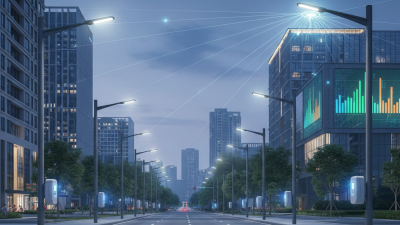
Smart street light controllers play a crucial role in enhancing outdoor efficiency. These devices enable city planners to optimize energy consumption and reduce operational costs. According to a report from the International Energy Agency, smart street lighting can cut energy use by up to 40%. This reduction is significant, especially in urban environments where lighting accounts for a substantial portion of energy expenditure.
Integrating smart controllers with LED technology offers further benefits. By using sensors and automated systems, these controllers adjust lighting based on real-time conditions. For instance, lights can dim during low-traffic hours or brighten when pedestrians approach. However, the implementation of such systems is not without challenges. Data privacy concerns arise with the installation of sensors that monitor foot traffic. Furthermore, some municipalities struggle with the upfront costs of transitioning to smart lighting systems, despite long-term savings.
Maintenance in the field also presents complexities. Occasional technology failures can lead to outages, affecting public safety. Regular monitoring and timely repairs are essential. Balancing cost, efficiency, and public safety remains a delicate task for city officials. Effective communication and planning can help address these issues as cities move towards smarter infrastructure.
Effectiveness of Smart LED Strips vs Traditional Street Lights
This chart illustrates the energy efficiency of Smart LED Strips compared to traditional street lights. Smart LED strips consume significantly less energy, promoting outdoor lighting efficiency and sustainability.
Optimizing Lighting Scenarios with Smart LED Technology
Smart LED technology offers numerous opportunities for optimizing lighting scenarios. You can create different moods and effects by adjusting colors and brightness levels. For instance, a warm white light can enhance relaxation, while vibrant colors can energize a space. Consider using an app to experiment with settings. This hands-on approach allows for real-time adjustments based on activities.
Integrating smart street light controllers further enhances outdoor lighting. They can respond to ambient light levels, saving energy during the day. But remember, the effectiveness of this technology varies based on installation locations. Street lights should be strategically placed to avoid dark spots. Reflecting on specific needs is essential to maximize their benefits.
Smart LED strips can transform your living space dramatically. Use them around furniture or ceilings for decorative effects. However, user experience often highlights challenges. Sometimes, the colors might not match expectations or installation can be tricky. It’s essential to trial different setups. Keep notes on what works best for your environment. This reflection will guide future optimizations.
Enhancing Energy Management with Smart Lighting Solutions
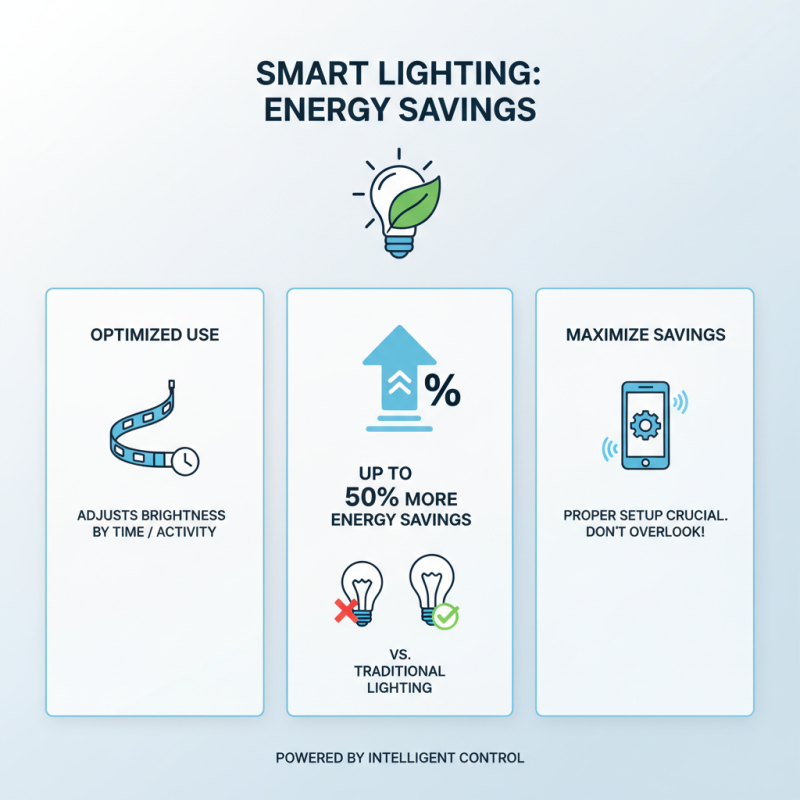
Smart lighting solutions are transforming the way we manage energy. Smart LED strips and controllers can optimize power consumption. These devices adjust brightness based on the time of day or activity. They can save up to 50% more energy than traditional lighting. However, many users overlook proper setup, leading to wasted energy.
Using motion sensors with smart street lights can significantly reduce electricity use. Lights can turn off when no one is around. This not only conserves energy but also extends the lifespan of the bulbs. However, improper placement can cause lights to remain on unnecessarily. Regular reviews of their settings can help identify these issues.
Moreover, integrating smart lighting with home automation systems enhances user experience. Smart lighting can sync with daily routines, providing convenience. But, it's easy to overcomplicate systems, turning simple tasks into hassle. Clear guidelines or a user-friendly interface can prevent frustration while maximizing efficiency. Balancing simplicity and functionality is key to effective energy management.