Top 5 Nema Street Light Controller Benefits for Smart Cities?
In the evolving landscape of smart cities, the Nema Street Light Controller stands out as a pivotal innovation. Industry expert Dr. James Walker, a leading authority in smart city technologies, emphasizes, “The Nema Street Light Controller transforms urban lighting into an intelligent system.” This technology integrates advanced features that not only light up our streets but also enhance operational efficiency.
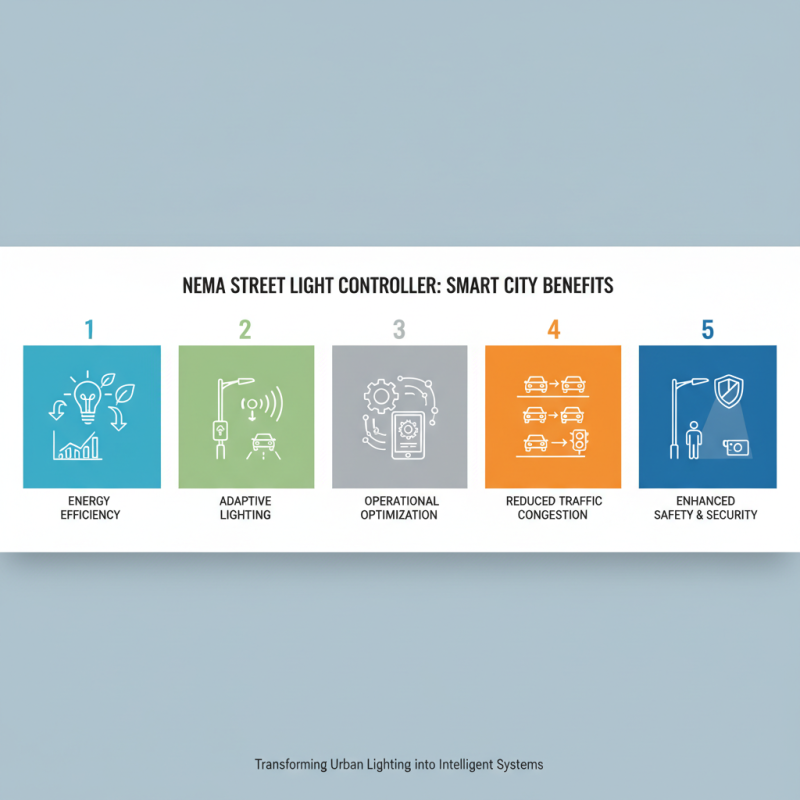
Cities today face numerous challenges. Traffic congestion and energy consumption are growing concerns. The Nema Street Light Controller offers solutions that address these issues directly. For instance, it enables adaptive lighting that adjusts based on real-time conditions. This ensures that streets are illuminated only when necessary, leading to significant energy savings.
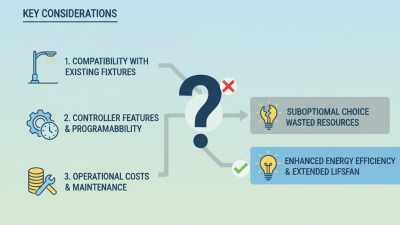
However, the implementation of Nema Street Light Controllers is not without its challenges. Cities must consider installation costs and the training of personnel. Moreover, maintaining the system's software is vital for its success. Reflecting on these aspects reveals the importance of strategic planning in making the most out of this smart technology. The promise of intelligent street lighting is clear, yet thoughtful execution is essential for truly smart cities.
Understanding Nema Street Light Controllers and Their Role in Smart Cities
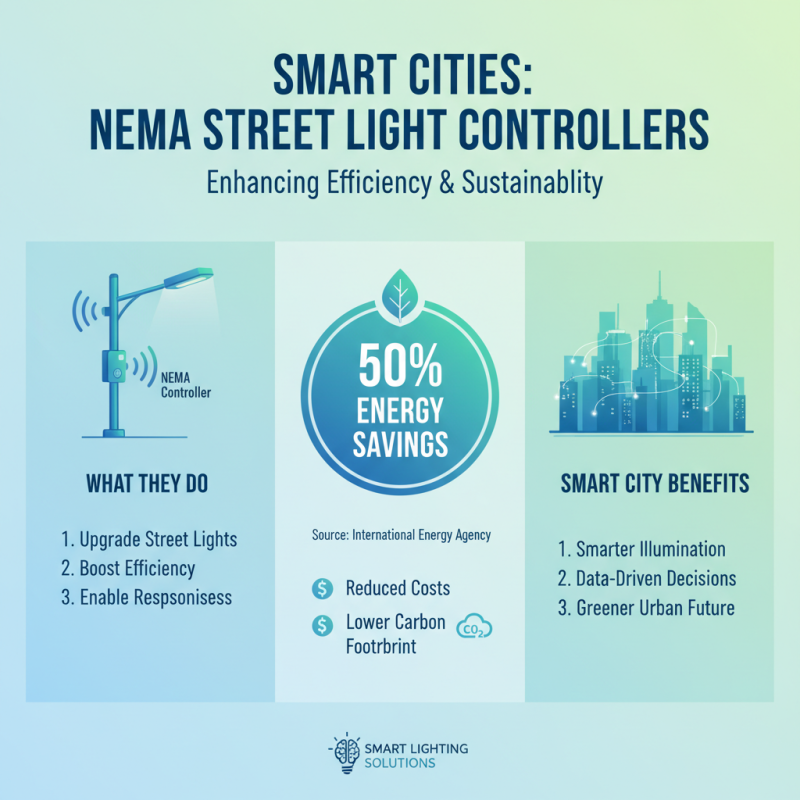
Nema street light controllers play a crucial role in the development of smart cities. These controllers enhance street lighting systems, making them more efficient and responsive. According to a report by the International Energy Agency, smart street lighting can save up to 50% energy compared to traditional lighting systems. This significant reduction not only decreases energy costs but also lowers carbon footprints, contributing to sustainability goals.
In addition to energy savings, Nema controllers enable remote monitoring and control. This feature allows city managers to adjust lighting based on real-time needs. For instance, cities can dim lights in low-traffic areas during off-peak hours. Such adaptability can improve safety while conserving resources. A report from Frost & Sullivan indicates that intelligent street lighting can increase public safety by up to 30% through enhanced visibility.
Despite these benefits, integration can be challenging. Cities may face issues with outdated infrastructure. Many existing lights may struggle to adapt to new technologies. Moreover, training personnel to operate these advanced systems requires time and investment. Addressing these obstacles is vital for successful implementation. Long-term planning and collaboration among city officials and technology providers can pave the way for better solutions.
Enhanced Energy Efficiency through Nema Street Light Controllers
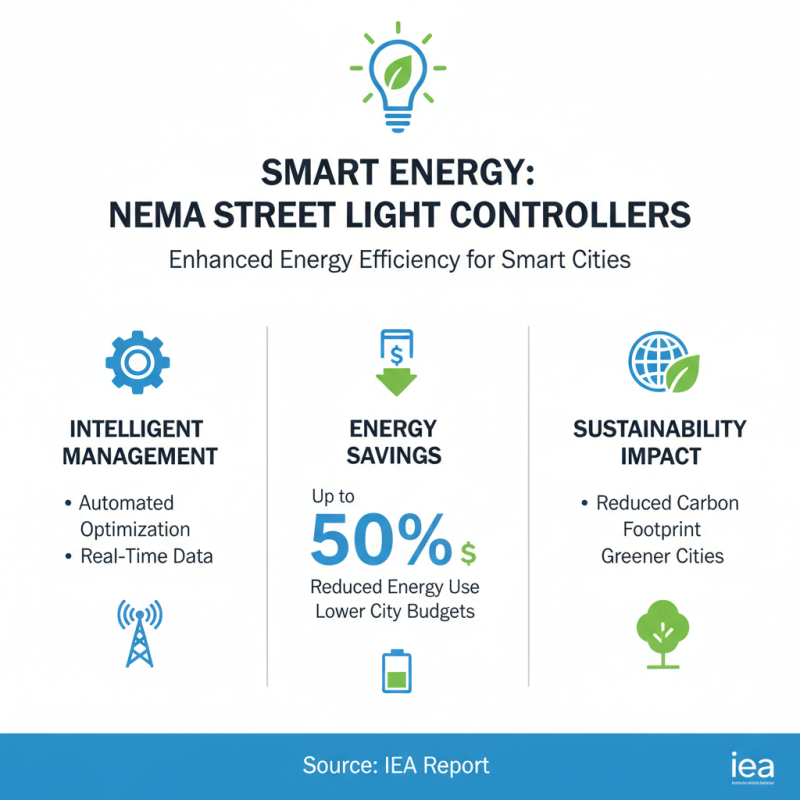
Smart cities are increasingly turning to Nema street light controllers to enhance energy efficiency. These controllers allow for intelligent management of lighting systems. By automating and optimizing the illumination based on real-time data, cities can significantly reduce energy consumption. A report from the International Energy Agency (IEA) estimates that efficient street lighting can cut energy use by up to 50%. This creates a substantial impact on city budgets and sustainability.
Moreover, Nema controllers utilize extensive sensors and connectivity features. They can adjust brightness based on traffic levels and weather conditions. During peak hours, lights can shine brighter, while dimming during quieter times. This adaptability leads to lower energy bills. According to the U.S. Department of Energy, smart street lighting can achieve a reduction in lighting costs by approximately $5 billion annually by 2025.
However, the implementation of such technology also poses challenges. Some cities face budget constraints, limiting their ability to invest in smart solutions. Furthermore, the integration of new systems with existing infrastructure can be complex. These factors require careful planning and consideration. Engaging local communities in discussions about these technologies is crucial, as their acceptance can significantly affect the success of such initiatives.
Improved Traffic Management with Smart Lighting Solutions
Smart cities thrive on innovation, and improved traffic management is a cornerstone of this progress. Smart lighting solutions equipped with Nema street light controllers can significantly enhance urban infrastructure. These controllers enable real-time data collection, allowing cities to adapt lighting based on traffic flow. As vehicles increase, lights can brighten, improving visibility and safety for drivers and pedestrians.
The integration of smart lighting leads to more efficient traffic signals. With data from sensors, traffic lights can change based on vehicular congestion. This responsiveness reduces wait times at intersections and lowers emissions. However, cities often face challenges in system integration and data management. Ensuring that all components work harmoniously is essential for maximum benefit.
Another area of concern is the reliability of these technologies. Dependence on wireless connectivity can lead to disruptions. Cities must consider backup systems to maintain functionality. While the benefits of smart lighting are clear, addressing these challenges is vital for successful implementation. Gradual improvements and continuous feedback loops can lead to a more reliable and effective traffic management system.
Top 5 Nema Street Light Controller Benefits for Smart Cities
This chart illustrates the percentage benefits of implementing Nema street light controllers in smart cities. The data reflects significant improvements in energy savings, traffic management, maintenance cost reduction, safety enhancement, and environmental impact reduction, showcasing the effectiveness of smart lighting solutions for urban infrastructure.
Data Collection and Analysis for Urban Planning from Street Lights
Smart cities are leveraging street lights for data collection and analysis.
These infrastructures gather vital information on traffic patterns, pedestrian movements, and environmental conditions.
According to a report from the International Data Corporation, approximately 30% of cities worldwide are investing in smart street lighting solutions by 2025.
This data is crucial for urban planning and helps city officials make informed decisions.
Street lights equipped with sensors can monitor air quality and noise pollution.
For instance, in major urban areas, the data collected can reveal peak hours of congestion and areas needing improvement.
In a recent study, cities using this data reported a 15% reduction in traffic accidents over two years.
However, challenges remain. Privacy concerns and data management issues pose significant risks to the effectiveness of these smart systems.
The integration of data analytics into street light networks can also inform energy efficiency measures.
A survey by the Smart Cities Council indicated that 70% of urban planners believe data-driven decisions enhance sustainability efforts.
Yet, many cities struggle with the implementation of such systems due to funding limitations and technological gaps.
These factors must be addressed to fully harness the potential of smart street light data for urban development.
Remote Monitoring and Control Features of Nema Street Light Systems
Remote monitoring and control features of Nema street light systems are vital for modern smart cities. These systems allow real-time management, enhancing energy efficiency. According to industry reports, smart street lighting can reduce energy consumption by 30-50%. This leads to significant savings for municipalities, ultimately benefiting taxpayers.
The ability to monitor street lights remotely facilitates quick identification of faults. This reduces downtime and enhances safety. Smart sensors alert operators to malfunctions or outages, enabling prompt repairs. Municipalities can prioritize maintenance based on real-time data, improving service delivery. A study shows that cities utilizing smart light systems report a 20% increase in operational efficiency.
However, challenges remain. Integration with existing infrastructure can be complex. Not all cities are equipped for seamless upgrades. As technology evolves, cities must continuously assess their capabilities. Balancing investment and innovation is crucial. Striking this balance can help cities harness the full potential of Nema street light systems.
Top 5 Nema Street Light Controller Benefits for Smart Cities
| Benefit |
Description |
Impact on Smart Cities |
| Remote Monitoring |
Allows city managers to monitor street light performance in real-time. |
Enhances operational efficiency and reduces response time to outages. |
| Energy Management |
Optimizes energy use by adjusting brightness based on conditions. |
Reduces overall energy costs and carbon footprint. |
| Enhanced Safety |
Improves visibility during night time and in low-light areas. |
Promotes public safety, reducing accidents and crime rates. |
| Data Collection |
Collects data on traffic flow and pedestrian movement. |
Informs urban planning and infrastructure decisions. |
| Integration with Smart Systems |
Compatible with other smart city technologies for seamless operation. |
Creates a more interconnected and efficient urban environment. |